Wood Fence vs Vinyl Fence Cost (2026 Comparison Guide)
Choosing between a wood fence and a vinyl fence is one of the biggest decisions homeowners face — and let’s be honest, the cost usually comes first. Here at King Of Kings Fence in Dallas, we get asked about wood fence vs vinyl fence cost almost every single day. Which one saves you money upfront? Which one pays off over time? The answers might surprise you.
In this 2026 comparison guide, we’re breaking it all down — real numbers, honest trade-offs, and the little details most contractors won’t tell you. Whether you’re in Richardson, Garland, Mesquite, or right here in Dallas, this guide will help you make a smart choice for your property (and your wallet).
Wood Fence vs Vinyl Fence Cost Breakdown in 2026
Let’s start with the bottom line. In 2026, wood fences generally cost LESS upfront than vinyl fences. That’s the short version. But the story doesn’t end there — vinyl tends to catch up (and sometimes win) once you factor in decades of maintenance.
On average, wood fencing runs between $18 and $35 per linear foot installed. Vinyl fencing usually lands between $28 and $55 per linear foot installed. The exact price depends on materials, height, and how tricky your yard is. Here’s a quick side-by-side to put things in perspective.
| Cost Factor | Wood Fence | Vinyl Fence |
|---|---|---|
| Average Cost Per Linear Foot (Installed) | $18 – $35 | $28 – $55 |
| Typical 150 ft Yard (Installed) | $2,700 – $5,250 | $4,200 – $8,250 |
| Material Lifespan | 15 – 20 years | 25 – 40 years |
| Annual Maintenance Cost | $150 – $500 | $0 – $75 |
| Staining / Sealing Needed? | Yes (every 2–3 years) | No |
| Repair Cost (per panel/section) | $75 – $200 | $150 – $350 |
So yes — wood wins the day one battle. But keep reading, because the long game changes everything.
What Factors Affect Wood and Vinyl Fence Prices?
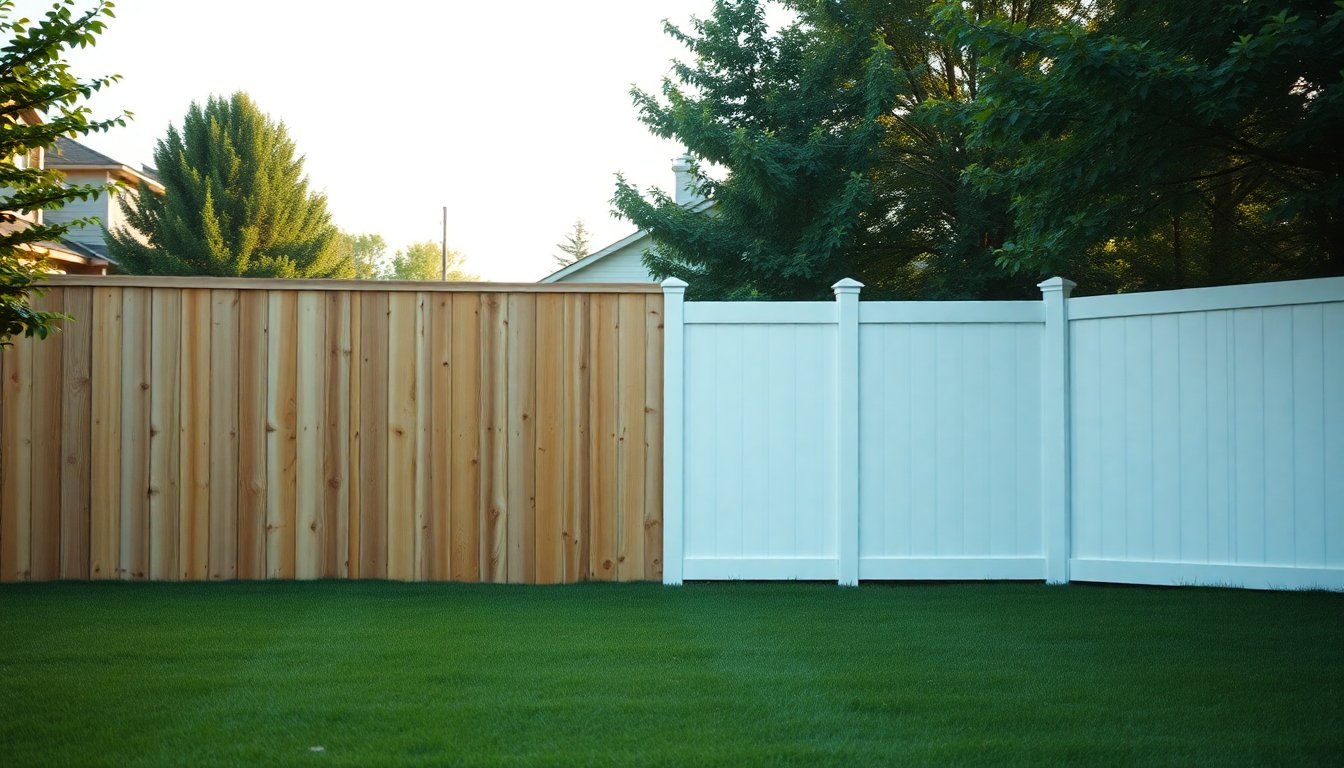
No two fence projects are exactly alike. Two houses on the same street can get wildly different quotes — and there’s a reason for that. Price depends on a bunch of moving parts, and understanding them helps you budget smarter (and spot a bad quote when you see one).
Here are the biggest factors that push wood and vinyl fence prices up or down:
- Material grade — Cedar and redwood cost more than pine. Premium vinyl costs more than thin, hollow panels.
- Fence height — A 6-foot privacy fence costs more than a 4-foot picket fence. More material, more labor.
- Linear footage — Bigger yards mean more feet, but the per-foot price often drops on larger jobs.
- Terrain and slope — Hilly or uneven ground (common in some Dallas neighborhoods) adds labor time.
- Gates — Adding a swing gate, sliding gate, or automatic gate bumps up the total.
- Old fence removal — Tearing out and hauling off your old fence is an extra cost (though we make junk removal easy).
- Permits — Some cities like Irving or Carrollton require permits for certain heights.
- Soil conditions — Rocky or clay-heavy Texas soil can make post digging harder.
- Style and design — A basic ranch style wood fence costs less than a decorative lattice-top vinyl fence.
When we quote a project, we look at ALL of these. That’s how you get an accurate number instead of a lowball that balloons later.
Installation Cost: Wood vs Vinyl Fencing
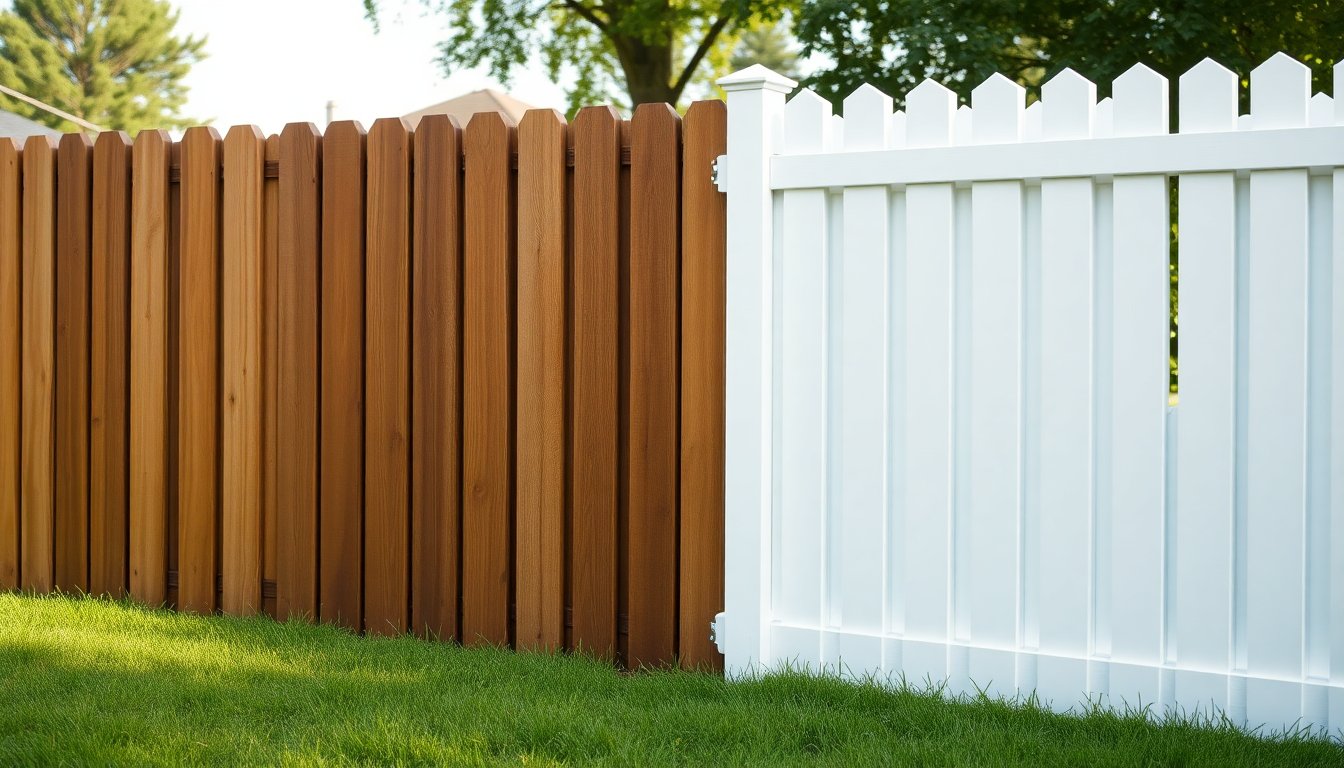
Installation is where the two materials really start to differ. Wood is easier to work with — it’s forgiving, adjustable, and quick to cut on-site. Vinyl requires precision because the panels are pre-formed. Let’s break down each one.
Wood Fence Installation Costs
Wood is the affordable workhorse of fencing. Labor is usually cheaper because it’s faster and simpler. For a standard 6-foot privacy fence, expect labor to make up roughly 40% to 50% of the total cost. Materials are widely available and easy to source locally.
A typical wood fence install for an average Dallas backyard (around 150 linear feet) lands between $2,700 and $5,250. If you go with a ranch style wood fence — those clean, horizontal designs — you might pay a bit more for the aesthetic, but they’re stunning.
Vinyl Fence Installation Costs
Vinyl installation costs more, plain and simple. The material itself is pricier, and installation demands extra care. Posts have to be set perfectly (there’s no shaving down a vinyl panel to fit). But once it’s up, it’s UP — and it doesn’t move.
For that same 150-foot yard, vinyl typically runs $4,200 to $8,250 installed. The higher price reflects both the material and the skill required to do it right the FIRST time.
What About Gates and Extras?
Both fence types can include gates — and this is where we love to help. Whether you want a simple swing gate or a fully automatic gate with an electric opener, that adds to the install cost. Automatic and sliding gates typically add $1,500 to $5,000 depending on the setup. It’s a splurge, but the convenience is real.
Long-Term Maintenance and Repair Costs Compared
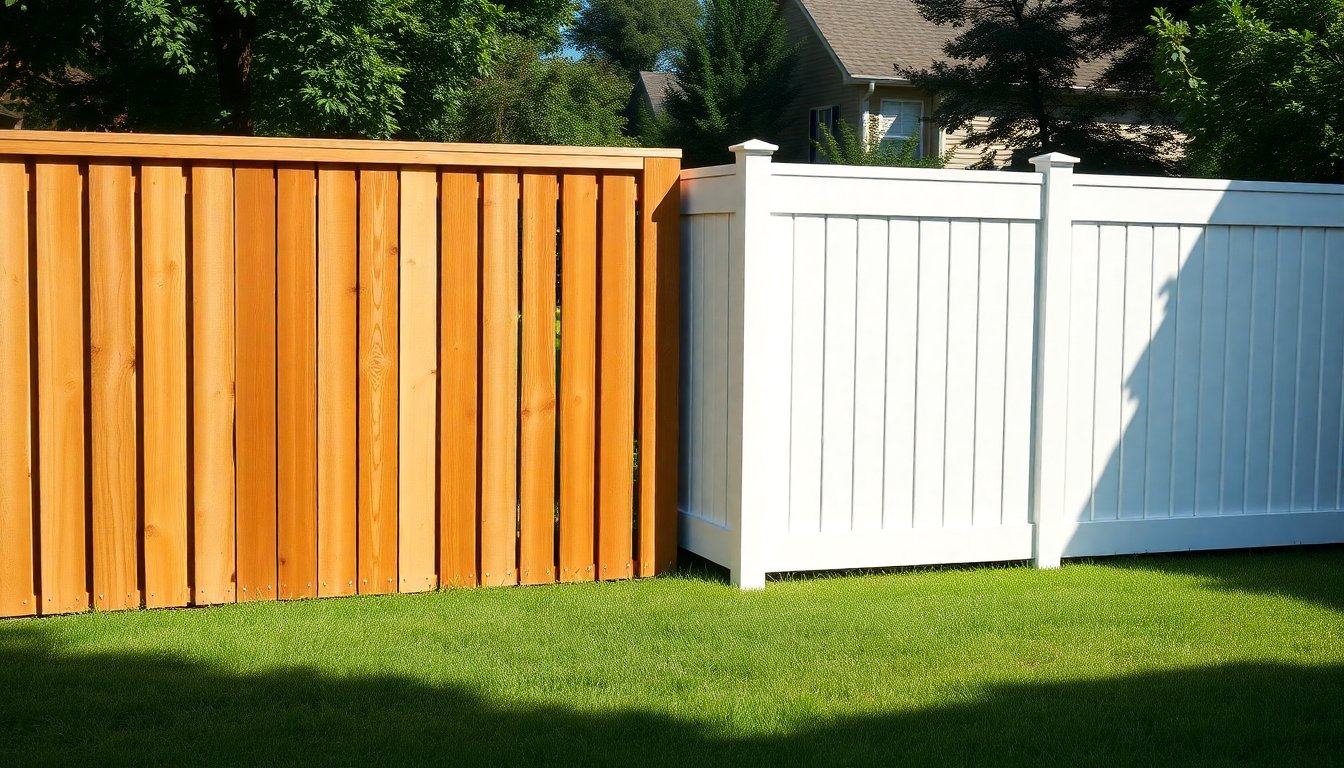
Here’s where the tables turn. Wood might win at checkout, but vinyl often wins over the LONG haul. Why? Maintenance. Wood needs regular love — staining, sealing, washing, and the occasional board replacement. Vinyl basically just needs a rinse with a garden hose now and then.
Let’s compare what you’ll actually spend keeping each fence looking sharp over the years:
- Staining and sealing (wood) — Every 2 to 3 years, expect $150 to $500 per treatment. Skip it, and your fence gray out and rots faster.
- Pressure washing (both) — Wood benefits from it before staining; vinyl just needs an occasional cleaning. Budget $75 to $200 if you hire it out.
- Board and panel repairs (wood) — Warped, cracked, or rotted boards happen. Repairs typically run $75 to $200 per section.
- Vinyl repairs — Less frequent, but panels cost more to replace — around $150 to $350 per section.
- Pest and rot damage (wood) — Termites and moisture love wood. Vinyl? Totally immune.
- Fading (vinyl) — Cheap vinyl can yellow or fade over decades. Quality vinyl holds color much longer.
Over 20 years, a wood fence can easily cost $3,000 to $6,000 in upkeep. A vinyl fence might cost a few hundred bucks total. That’s a HUGE gap — and it’s exactly why the “cheaper” option isn’t always cheaper.
Which Fence Offers Better Value Over Time?
The honest answer? It depends on YOUR priorities and how long you plan to stay in your home. Both fences deliver value — just in different ways. Let’s look at it from a few angles.
Best Value for Short-Term Homeowners
If you’re planning to sell in the next 5 to 10 years, WOOD is often the smarter money move. You get a great-looking fence for less upfront, and you won’t be around long enough to absorb decades of maintenance. Wood also adds strong curb appeal — buyers love a classic wood fence.
Best Value for Long-Term Homeowners
Staying put for 15+ years? VINYL starts to shine. Yes, you pay more today. But when you add up two decades of staining, repairs, and washing you’d spend on wood, vinyl often ends up costing LESS over its lifetime. Plus, it stays looking new with almost zero effort.
The Total Cost of Ownership Verdict
Think of it like this — wood is a lower down payment with ongoing “rent.” Vinyl is a bigger upfront investment that pays you back in freed-up weekends and fewer repair bills. For many Dallas-area homeowners, vinyl edges out wood on total cost of ownership past the 15-year mark. Before that, wood usually wins.
Pros and Cons of Wood and Vinyl Fences
Let’s lay it all out clearly. Every fence has trade-offs, and knowing them upfront saves you headaches later.
Wood Fence Pros
- Lower upfront cost — the budget-friendly choice
- Classic, natural look that never goes out of style
- Easy to customize, stain, or paint any color
- Simple and affordable to repair board-by-board
- Great for ranch style and privacy fence designs
Wood Fence Cons
- Requires regular staining and sealing (real work)
- Vulnerable to rot, warping, and termites
- Shorter lifespan — usually 15 to 20 years
- Higher long-term maintenance costs
Vinyl Fence Pros
- Extremely low maintenance — just rinse and go
- Long lifespan of 25 to 40 years
- Immune to rot, pests, and moisture damage
- Won’t need staining, EVER
- Consistent, clean appearance year after year
Vinyl Fence Cons
- Higher upfront cost — the bigger initial investment
- Repairs cost more per panel
- Fewer style and color customization options
- Cheaper vinyl can fade or crack in extreme heat
Conclusion
So — wood fence vs vinyl fence cost? Wood wins on upfront price. Vinyl often wins on long-term value. If you’re budget-focused or moving soon, wood is a fantastic, timeless choice. If you want to install it and forget it for decades, vinyl is tough to beat.
At King Of Kings Fence, we install BOTH — plus wrought iron, chainlink, and every gate type you can imagine — across Dallas, Richardson, Garland, Mesquite, Addison, Irving, Carrollton, and Farmers Branch. Not sure which fence fits your yard and budget? Reach out for a free quote, and we’ll help you build something you’ll love for years to come.