Why Do Wood Fences Warp? (Causes & Fixes)
If you have ever looked out at your backyard and noticed your once-straight fence boards bowing, twisting, or curling at the edges, you are not alone. Wood fences warp all the time here in Texas, and it drives homeowners crazy. At King Of Kings Fence in Dallas, we get calls about warped fences almost every week, and the reasons behind it are usually pretty predictable once you know what to look for.
Warping happens when wood dries or absorbs moisture unevenly. That imbalance creates tension, and the board bends to relieve it. In this guide we will break down exactly why wood fences warp, how to fix them, and what you can do to keep it from happening again.
What Causes Wood Fences to Warp?
Warping is basically wood reacting to its environment. When one side of a board loses or gains moisture faster than the other, the fibers shrink or swell at different rates. That uneven movement pulls the board out of shape. In the Dallas area, our hot summers and sudden rainstorms make this a constant battle. The good news is that warping is usually caused by a handful of common factors, and most of them can be managed.
- Moisture imbalance – The number one culprit. One side dries while the other stays damp.
- Sun exposure – Intense Texas heat dries the front of the board fast while the shaded back stays cooler.
- Poor quality lumber – Cheap or improperly dried wood is far more likely to twist.
- Improper installation – Loose fasteners or boards nailed too tight leave no room for natural movement.
- Lack of sealant – Unsealed wood soaks up water like a sponge.
- Grain direction – Boards cut against the grain warp more easily.
- Weak posts – When posts shift or lean, the boards attached to them get pulled out of alignment.
How Does Moisture Affect Wood Fence Warping?
Moisture is the single biggest reason wood fences warp. Wood is naturally porous, so it constantly absorbs and releases water depending on the weather. When that process happens EVENLY, the board stays flat. When it happens unevenly, the board bends. Understanding how moisture moves through your fence helps you stop warping before it starts. A big part of keeping moisture out of the equation is making sure your posts are solid, which is why we always talk to customers about whether wood fence posts should be set in concrete during installation.
Cupping From One-Sided Drying
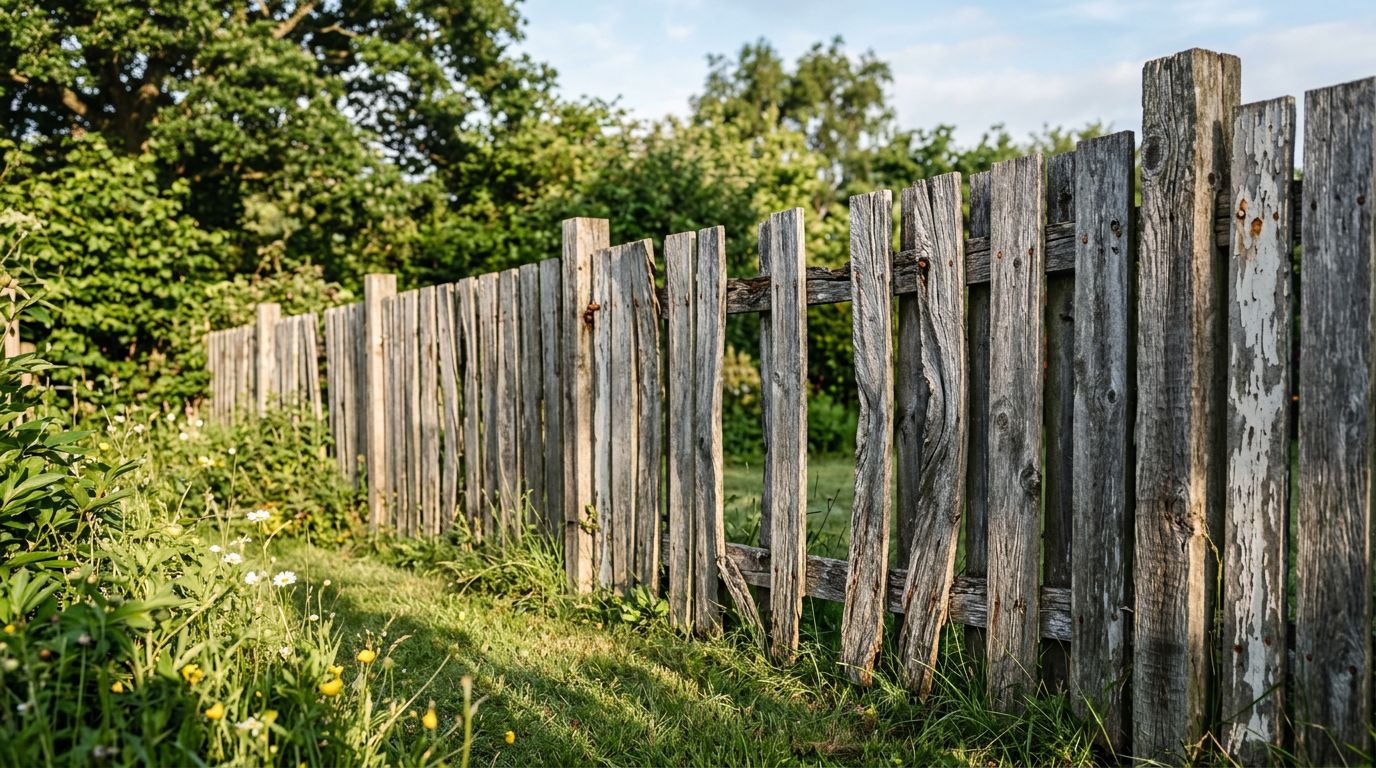
Cupping is when a board curves across its width, forming a shallow U shape. This usually happens when one face of the board dries faster than the other. The sunny side shrinks while the shaded side stays swollen. The result is a board that looks scooped out.
Bowing From Trapped Ground Moisture
Bowing is a curve along the length of the board. It often shows up when the bottom of the fence sits too close to wet soil. The lower portion soaks up ground moisture while the top dries out in the sun, and the whole board bends.
Twisting From Uneven Grain
Twisting is the ugliest kind of warp. The board rotates so that opposite corners lift in different directions. This is often a combination of moisture AND grain issues. Boards with irregular or spiraled grain are especially prone to twisting when they get wet and dry repeatedly.
Which Types of Wood Are Most Prone to Warping?
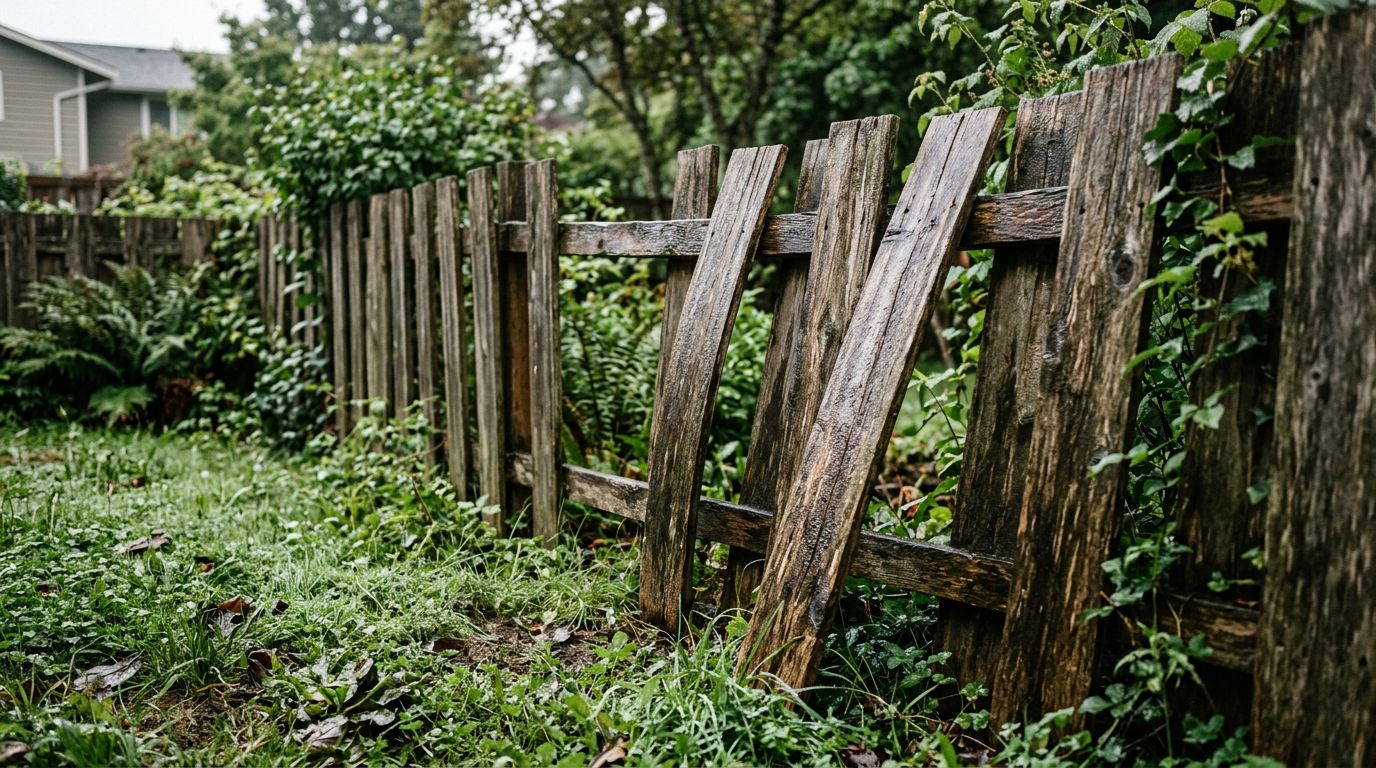
Not all wood behaves the same way. Some species are naturally more stable, while others move a lot as the humidity changes. The type of lumber you choose has a huge impact on how well your fence holds up over the years. If you are planning a bigger project like a ranch style wood fence installation, picking the right wood upfront saves you a lot of headaches down the road.
- Pine – Affordable and common, but it warps easily if not properly dried and sealed.
- Spruce – Budget friendly and lightweight, though it is one of the most warp-prone options.
- Douglas Fir – Stronger than pine and holds shape better when maintained.
- Cedar – Naturally resistant to moisture and rot, which makes it far less likely to warp.
- Redwood – Excellent stability and a beautiful look, but it comes at a premium price.
- Cypress – Contains natural oils that fight moisture and decay.
- Pressure-treated lumber – Treated to resist rot, but it can still warp if it dries too fast after installation.
If warping is a big concern for you, cedar is usually the sweet spot between cost and stability. It looks great, resists moisture, and stays straighter than cheaper softwoods.
How to Fix a Warped Wood Fence
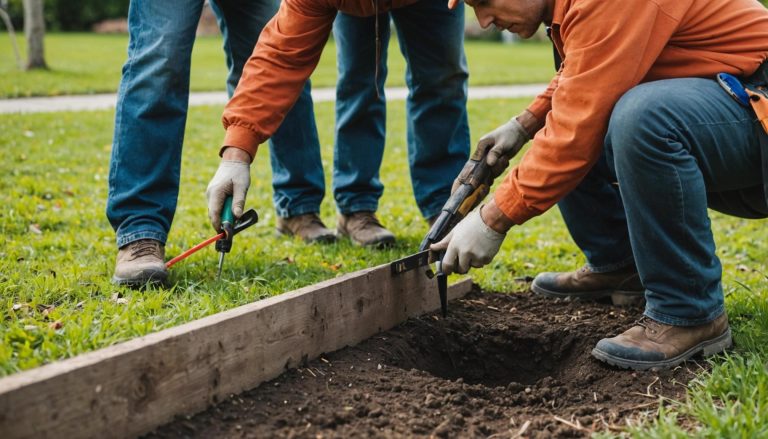
The good news is that a warped fence does not always mean you need a full replacement. Depending on how bad the warping is, you can often straighten or repair individual boards. Here is the step by step process we use when tackling warped fence boards. If the damage is widespread or you would rather leave it to the pros, professional fence repair services can get your fence looking straight again fast.
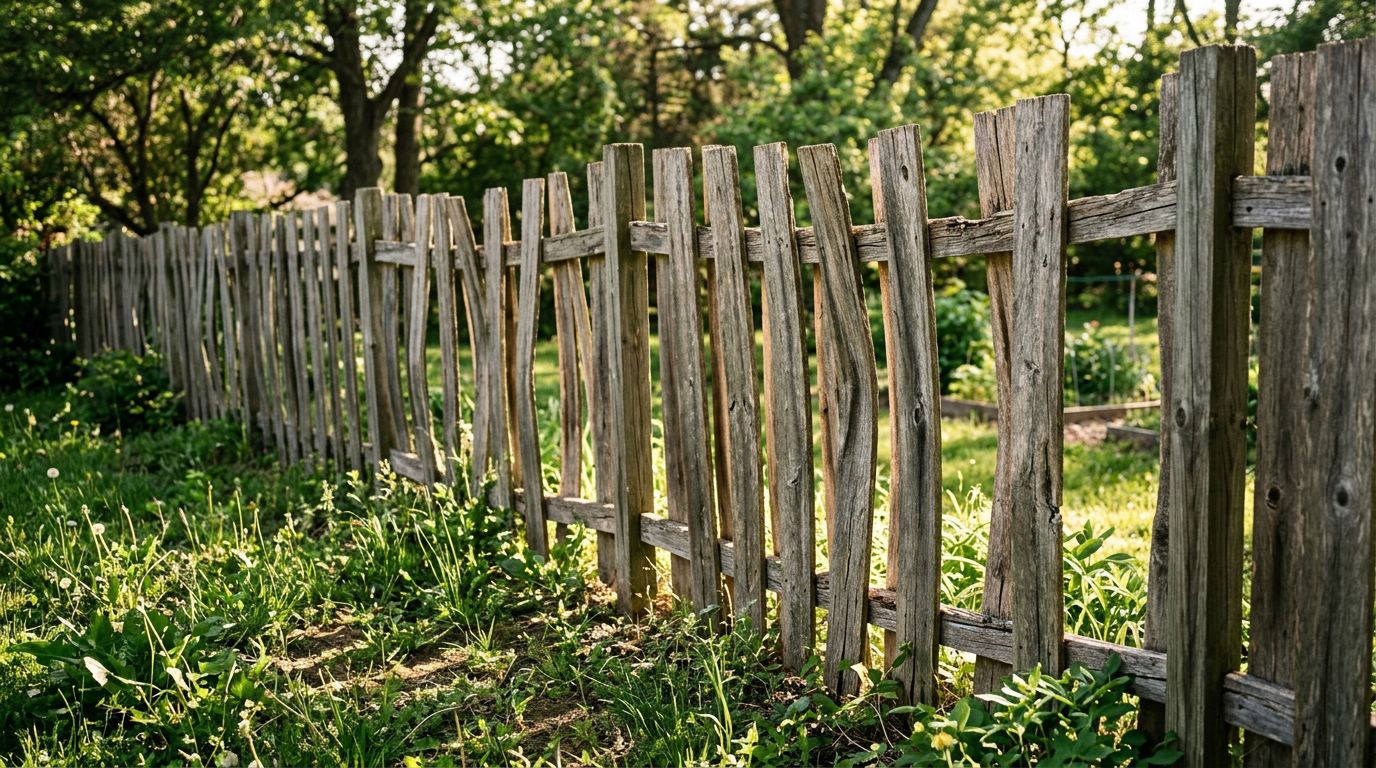
- Inspect the whole fence. Walk the entire line and mark every board that is cupped, bowed, or twisted. This tells you how big the job really is.
- Check the fasteners. Loose nails or screws let boards pull free. Tighten or replace anything that has backed out.
- Remove and reset the worst boards. For badly warped boards, take them off, flip them if possible, and re-secure them with screws instead of nails.
- Apply moisture and weight. For mild cupping, dampen the concave side and place weight on top to slowly coax the board back flat.
- Use clamps for bows. Clamp bowed boards to a straight support and let them dry in the corrected position.
- Replace boards that will not straighten. Some warps are permanent. Swap those boards out with fresh, properly dried lumber.
- Seal everything. Once boards are straight and secure, apply a quality sealant or stain to lock out future moisture.
Keep in mind that severely twisted boards rarely go back to their original shape. When the warp is too far gone, replacement is the smarter move.
How to Prevent Wood Fences From Warping
Prevention is always cheaper than repair. A little bit of care during installation and throughout the year goes a long way toward keeping your fence flat and looking sharp. Most warping problems can be avoided with the right materials and simple maintenance habits.
- Choose quality, kiln-dried lumber. Properly dried wood has already released most of its internal moisture, so it moves less.
- Seal the wood right away. A good water-repellent sealant keeps moisture from soaking in unevenly.
- Stain both sides of the boards. Treating only the front leaves the back exposed to moisture, which invites cupping.
- Leave proper gaps. Boards need room to expand and contract. Nailing them too tight causes buckling.
- Use screws instead of nails. Screws hold boards firmly and resist the pulling force that leads to warping.
- Keep the bottom off the ground. Leave a gap between the fence and the soil to reduce ground moisture absorption.
- Set posts correctly. Solid, well-anchored posts keep the whole structure stable.
- Reapply sealant every couple of years. Sealant wears off. Refreshing it keeps protection strong.
Regular fence washing and staining also make a huge difference. Clean, sealed wood simply lasts longer and stays straighter. It is one of the easiest ways to protect your investment.
When Should You Replace a Warped Fence Instead of Repairing It?
There comes a point where fixing a warped fence just is not worth it anymore. If you are constantly replacing boards or the structure feels unstable, replacement may save you money in the long run. Here are the signs that tell us it is time to stop patching and start fresh.
Widespread Warping Across Many Boards
If only a few boards are warped, repair makes sense. But when most of the fence is cupped, bowed, or twisted, the cost of repairing each board adds up fast. At that point a new fence is often the better value.
Rotting Posts or Structural Damage
Warped boards attached to rotting or leaning posts are a losing battle. Once the posts fail, the entire fence loses its shape. If the structure itself is compromised, replacement is the safest option.
Age and Repeated Repairs
An old fence that you keep fixing year after year is telling you something. If you have already replaced boards multiple times and the warping keeps coming back, the wood has simply reached the end of its life. A fresh install with quality materials will give you years of trouble-free performance.
Conclusion
Wood fences warp because of uneven moisture, harsh sun, poor materials, and improper installation. The good news is that most warping is both fixable and preventable. Choose quality lumber, seal it well, set your posts right, and keep up with basic maintenance, and your fence will stay straight and strong for years.
If your fence is already showing signs of warping and you want expert help getting it back in shape, our team at King Of Kings Fence proudly serves Dallas, Richardson, Garland, Mesquite, Addison, Irving, Carrollton, and Farmers Branch. Reach out today and let us help you build a fence that lasts.