What Is Chainlink Fence Made Of? (Materials Explained)
Chainlink fence is everywhere — schools, backyards, ballfields, and commercial lots. But have you ever stopped to ask what a chainlink fence is actually MADE of? At King Of Kings Fence in Dallas, we install chainlink fencing all the time, and one of the most common questions we hear is exactly that. It sounds simple, but there’s more going on than just some woven metal wire.
In this guide, we’re breaking down every material that goes into a chainlink fence — the metal, the coatings, the parts, and the wire gauge that separates a cheap fence from a strong one. Whether you’re planning a new install or just curious, we’ve got you covered.
What Metal Is Used to Make Chainlink Fence?
The short answer? Steel. Chainlink fence is made primarily from steel wire that gets woven into that classic diamond pattern. But raw steel rusts fast — so it almost always comes with a protective coating (more on that below). The steel gives the fence its strength, flexibility, and that ability to take a beating without breaking.
Some higher-end or specialty chainlink fences use aluminum instead of steel. Aluminum is lighter and naturally rust-resistant, but it’s also softer and less common for standard residential and commercial jobs. For most fences we install around Dallas, steel is the go-to material.
Here are the main metals and materials used in chainlink fencing:
- Galvanized steel — steel coated in zinc for rust protection (the most common choice)
- Vinyl-coated steel — galvanized steel wrapped in a layer of PVC vinyl
- Aluminum — lightweight and naturally corrosion-resistant, used in specialty applications
- Aluminized steel — steel coated with aluminum for extra corrosion resistance
- Stainless steel — rare and pricey, used in high-security or highly corrosive environments
What Are the Different Coating Options for Chainlink Fence?
The coating is what protects that steel from Mother Nature. Without it, your fence would rust out in a couple of years. Here are the main coating options we work with.
Galvanized Coating
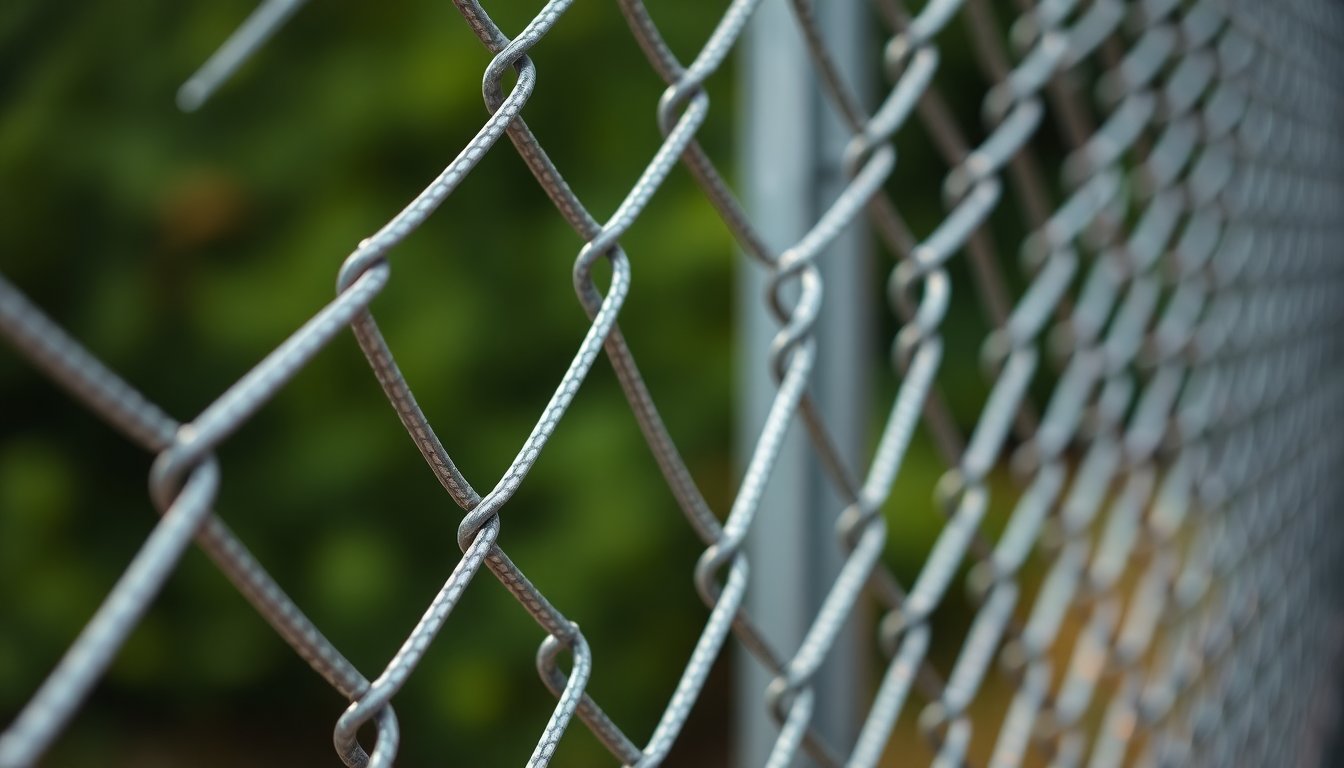
This is the classic silver-gray chainlink look. The steel wire gets dipped in (or coated with) zinc, which creates a barrier against moisture and rust. There are two methods — Galvanized Before Weaving (GBW) and Galvanized After Weaving (GAW). GAW tends to offer better all-around protection because the coating covers the weave points too. Galvanized is affordable, durable, and honestly the workhorse of the fencing world.
Vinyl (PVC) Coating
Want a fence that looks a little nicer? Vinyl coating goes over the galvanized steel and adds a smooth layer of PVC. It usually comes in black, green, or brown — colors that blend into landscaping much better than shiny silver. Bonus: that extra vinyl layer adds ANOTHER shield against rust and corrosion. It’s a favorite for homeowners who want function AND curb appeal.
Polymer Coating
Polymer coatings are similar to vinyl but often applied in a thicker, more durable layer (thermally bonded to the steel). They resist chipping and fading really well. This is a step up for folks who want maximum longevity from a coated fence.
Powder Coating
Less common on chainlink but used on some frames and posts — powder coating gives a tough, even finish. It’s more typical on ornamental fencing, but the same durability principle applies to certain chainlink components.
What Are the Parts of a Chainlink Fence System?
A chainlink fence isn’t just the woven mesh you see. It’s a whole SYSTEM of parts working together to keep everything upright and tight. If any one piece is cheap or missing, the whole fence suffers. Here’s a rundown of the components we use on every install.
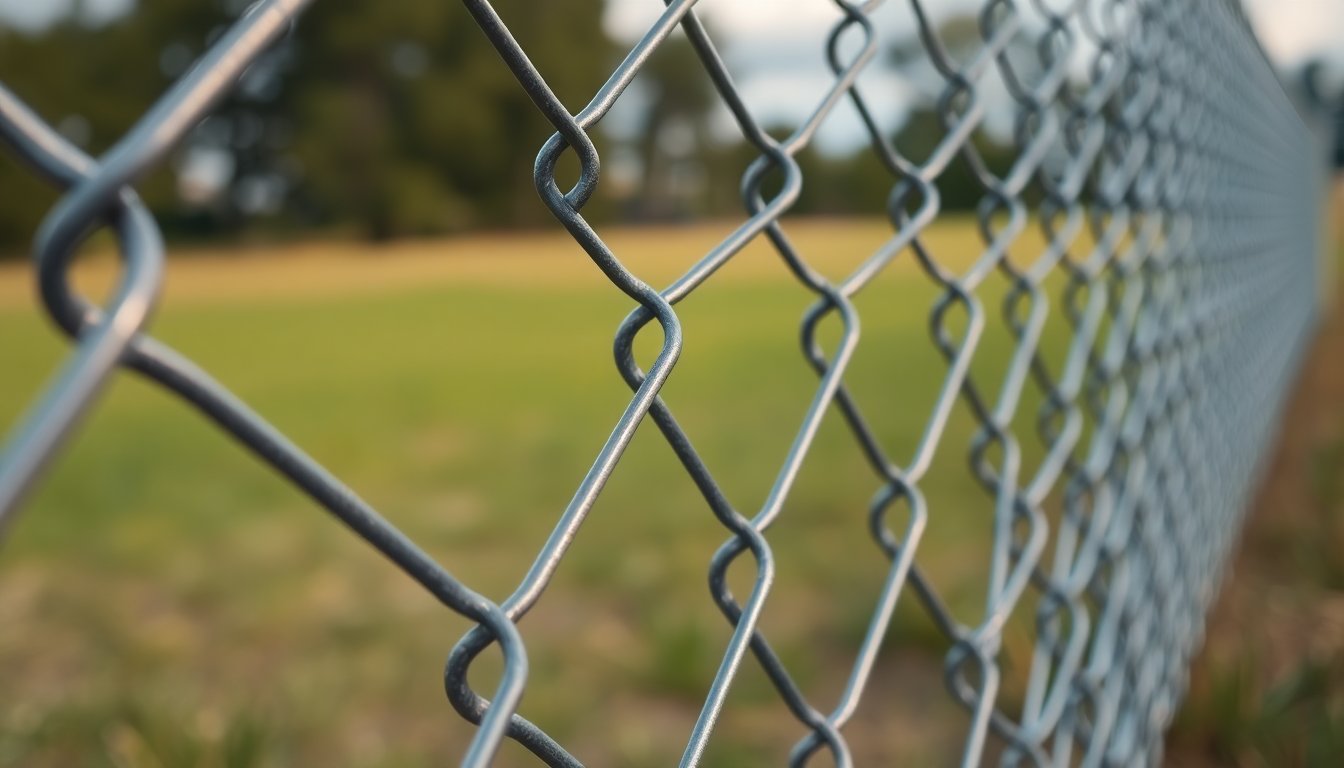
- Chainlink mesh (fabric) — the woven diamond-pattern wire that forms the body of the fence
- Terminal posts — the heavy-duty posts at ends, corners, and gates (they carry the most tension)
- Line posts — the intermediate posts spaced along the fence run
- Top rail — the horizontal pipe running along the top for stability
- Tension bars — flat vertical bars woven through the mesh at the ends
- Tension bands — brackets that attach the tension bars to the posts
- Brace bands — hold the top rail to the terminal posts
- Post caps and rail caps — fittings that seal the tops of posts and connect rails
- Tie wires — small wires that fasten the mesh to the posts and top rail
- Tension wire — a heavy wire (sometimes used at the bottom) to keep the mesh taut
- Concrete footings — the anchor that holds posts firmly in the ground
When you put all these parts together with the right materials, you get a fence that stays tight and stands strong for years. Skip the quality fittings, and you’ll be dealing with sagging and loose mesh way too soon.
How Does Wire Gauge Affect Chainlink Fence Quality?
Here’s something a lot of people don’t realize — the GAUGE of the wire makes a huge difference in how strong and durable your fence is. Gauge is basically the thickness of the steel wire. And here’s the tricky part: the LOWER the gauge number, the THICKER the wire. So a 9-gauge wire is thicker and stronger than an 11.5-gauge wire.
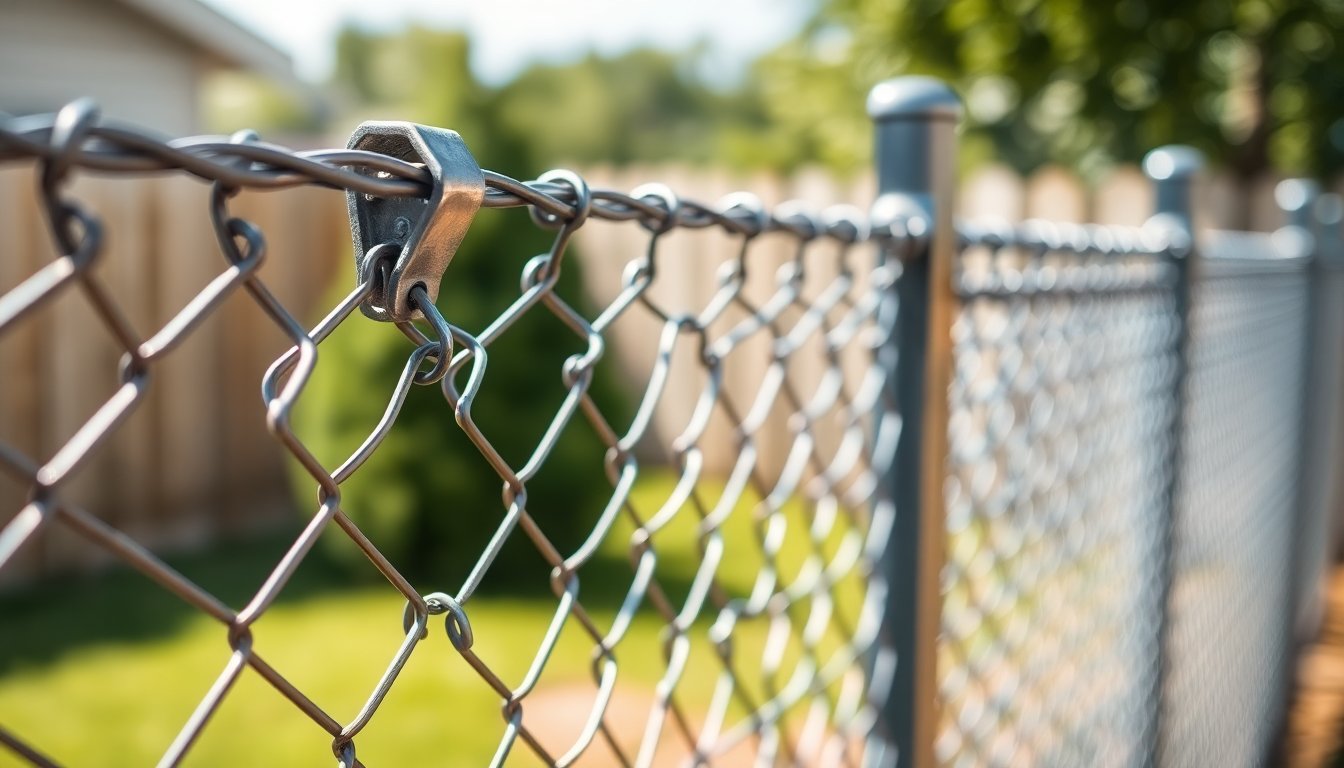
Thicker wire means a tougher fence — better for security, better against impacts, and longer-lasting overall. Thinner wire is cheaper and lighter, which works fine for basic residential borders but won’t hold up to heavy use. For most jobs in Dallas, we recommend 9-gauge for commercial or high-traffic areas and 11-gauge for standard residential. Here’s how they compare:
| Wire Gauge | Approx. Thickness | Strength Level | Best For |
|---|---|---|---|
| 6-gauge | ~0.192″ | Extra heavy-duty | High-security & industrial sites |
| 9-gauge | ~0.148″ | Heavy-duty | Commercial, sports fields, security |
| 11-gauge | ~0.120″ | Standard | Residential yards & general use |
| 11.5-gauge | ~0.113″ | Light-duty | Temporary or budget fencing |
| 12.5-gauge | ~0.099″ | Lightest | Very light residential / kennels |
Galvanized vs. Vinyl-Coated Chainlink Fence: Which Material Is Better?
This is the big decision most of our customers wrestle with — galvanized or vinyl-coated? Honestly, there’s no single “right” answer. It depends on your budget, your look, and how long you want the fence to last. Galvanized is the affordable, tried-and-true option. Vinyl-coated costs a bit more but looks better and adds an extra layer of protection.
Let’s break it down side by side so you can decide what fits YOUR property best:
| Feature | Galvanized Chainlink | Vinyl-Coated Chainlink |
|---|---|---|
| Appearance | Shiny silver-gray metal | Black, green, or brown finish (blends in) |
| Cost | Lower upfront cost | Higher upfront cost |
| Rust Protection | Good (zinc coating) | Excellent (zinc + PVC layer) |
| Lifespan | 15–20+ years | 20–30+ years |
| Maintenance | Low | Very low |
| Curb Appeal | Basic / utilitarian | More attractive, softer look |
| Best Use | Budget projects, commercial lots | Homes, gardens, decorative borders |
Our take? If you’re fencing a backyard and care about looks, go vinyl-coated. If it’s a practical barrier and budget matters most, galvanized does the job beautifully. Either way, we’ll help you pick what makes sense.
How Long Do Chainlink Fence Materials Last?
One of the best things about chainlink is its lifespan. With decent materials and proper installation, these fences last a LONG time. But the exact number of years depends on the coating, the wire gauge, and the environment. Here’s what to expect.
Galvanized Chainlink Lifespan
A properly galvanized chainlink fence can easily last 15 to 20 years — and often longer in dry climates. The zinc coating slowly wears over time, so eventually you may see surface rust. But that’s usually decades down the road, not something to worry about early on.
Vinyl-Coated Chainlink Lifespan
Because it has that extra PVC layer on top of the galvanized steel, vinyl-coated fencing can push 20 to 30 years or more. The vinyl protects the metal from moisture and slows corrosion way down. As long as the coating doesn’t get badly cracked or chipped, this stuff holds up remarkably well.
What Affects Longevity?
Several factors play into how long your fence lasts. Here’s what we keep an eye on:
- Coating quality — thicker, better coatings last longer
- Wire gauge — heavier gauge resists damage and wear
- Installation — properly set posts and tight mesh prevent early failure
- Climate — humidity and salt air speed up rust (Dallas is fairly forgiving here)
- Maintenance — occasional washing and quick repairs extend the life significantly
How to Make It Last Longer
Want to squeeze every year out of your fence? Keep it clean, deal with any rust spots early, and make sure the posts stay solid. A little care goes a long way. And if you ever DO run into sagging mesh or a leaning post, catching it early keeps a small fix from becoming a big replacement.
Conclusion
So — what is chainlink fence made of? At its core, it’s steel wire protected by either a galvanized zinc coating or a vinyl PVC layer, held together by a system of posts, rails, tension bars, and fittings. The wire gauge determines strength, the coating determines looks and longevity, and quality installation ties it all together.
Whether you want the budget-friendly durability of galvanized or the sleek, long-lasting appeal of vinyl-coated chainlink, King Of Kings Fence in Dallas is here to help. We proudly serve Dallas, Richardson, Garland, Mesquite, Addison, Irving, Carrollton, and Farmers Branch. Ready for a fence that stands strong for decades? Reach out to our team and let’s build something that lasts.