What Is A Cowboy Fence? (Explained & Guide)
If you’ve spent any time in Texas, you’ve probably seen a cowboy fence without even knowing it had a name. It’s that rustic, no-nonsense fence you see running along ranch properties and country roads — the kind that just LOOKS like it belongs out here. At King Of Kings Fence in Dallas, we get asked about cowboy fences all the time, so we figured it was time to break it all down for you.
In this guide, we’ll walk you through what a cowboy fence actually is, the different types, the materials, how it’s built, and what it costs. Whether you’re fencing a big ranch or just want that country charm on your Dallas property — we’ve got you covered.
What Is a Cowboy Fence and How Does It Work?
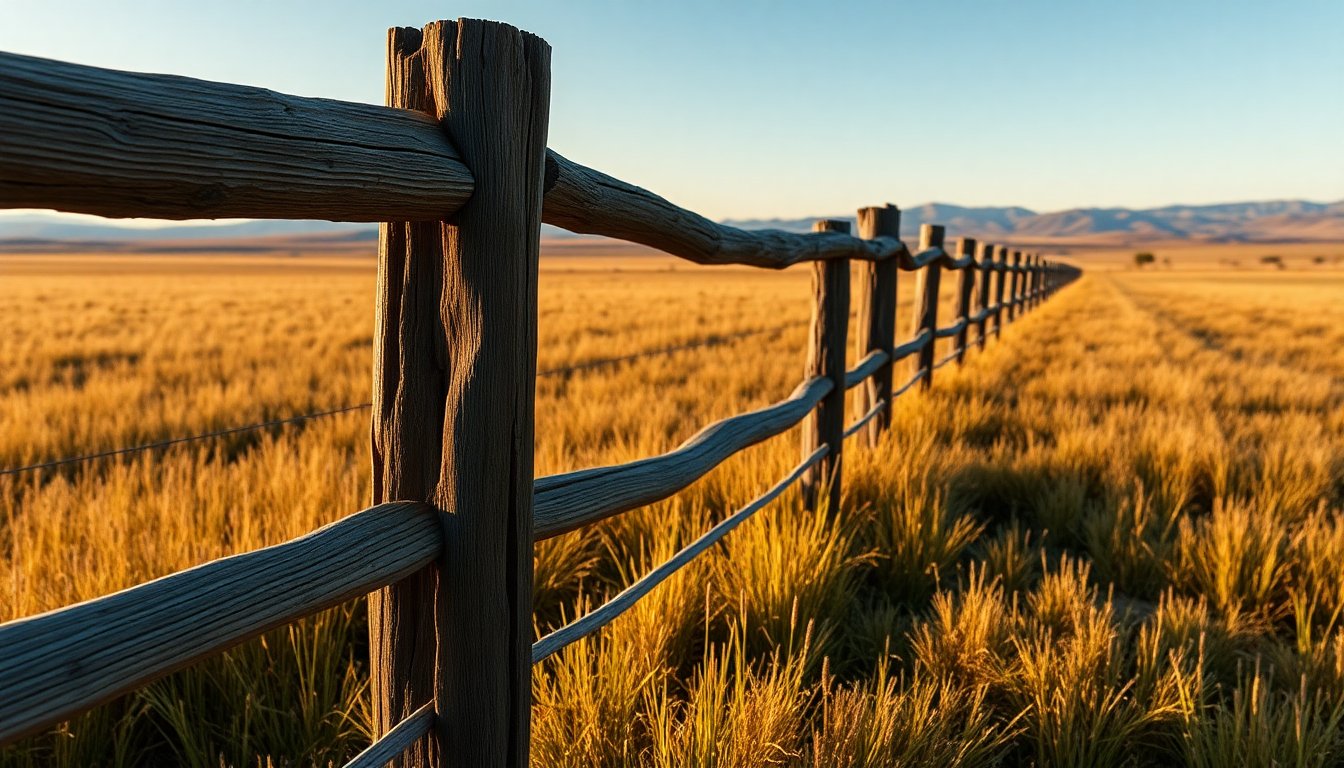
A cowboy fence (sometimes called a ranch fence or a “cowboy corral” style fence) is a rustic wood fence built with horizontal rails instead of the usual vertical pickets. Think of those classic Western ranch fences — big posts, wide horizontal boards, and plenty of space between the rails. It’s simple, tough, and it gets the job done.
The whole point of a cowboy fence is FUNCTION. It’s designed to mark boundaries, keep livestock in (or out), and stand up to Texas weather — all while looking great. Because the rails run horizontally, it uses fewer materials than a full privacy fence, which makes it a cost-effective choice for large areas.
- Horizontal rails — the signature look, with boards running side to side between posts
- Sturdy posts — usually spaced 6 to 8 feet apart for strength
- Open design — gaps between rails let you see through (great for wide-open spaces)
- Livestock control — keeps horses, cattle, and other animals contained
- Boundary marking — clearly defines your property line without blocking the view
- Weather resistant — built with treated wood or cedar to handle sun and rain
What Are the Different Types of Cowboy Fences?
Not every cowboy fence looks the same. Depending on what you need — livestock, looks, or a mix of both — there are a few different styles to choose from. Here are the most common ones we install.
Post and Rail Fence
This is the CLASSIC cowboy fence. It uses vertical posts with horizontal rails slotted through or nailed to them. Usually you’ll see two, three, or four rails. It’s clean, simple, and screams “ranch.” Great for horses and general property boundaries.
Split Rail Fence
A rougher, more rustic cousin of the post and rail. Split rail uses logs that have been split lengthwise, giving it that raw, hand-hewn look. It’s perfect if you’re going for old-school charm — think homesteads and country estates.
Ranch Style Wood Fence
This is one of our specialties. A ranch style wood fence takes the cowboy concept and dresses it up a bit — cleaner lines, sometimes a top cap rail, and often built to complement a home rather than just a pasture. It gives you that Western feel with a more polished finish.
Buck and Rail Fence
Instead of posts driven into the ground, buck and rail uses X-shaped supports (bucks) that sit ON TOP of the ground. This is handy for rocky soil where digging post holes is a nightmare. You see these a lot in hill country and mountainous areas.
Corral Fence
Built for one job — containing livestock. Corral fences are heavy-duty, usually with closely spaced rails and thick posts. If you’ve got horses or cattle, this is the workhorse option.
What Materials Are Used to Build a Cowboy Fence?
The material you choose makes a BIG difference in how long your cowboy fence lasts and how it looks. Most cowboy fences are built with wood because that’s the traditional look — but there are a few modern twists too. Here’s what we typically use.
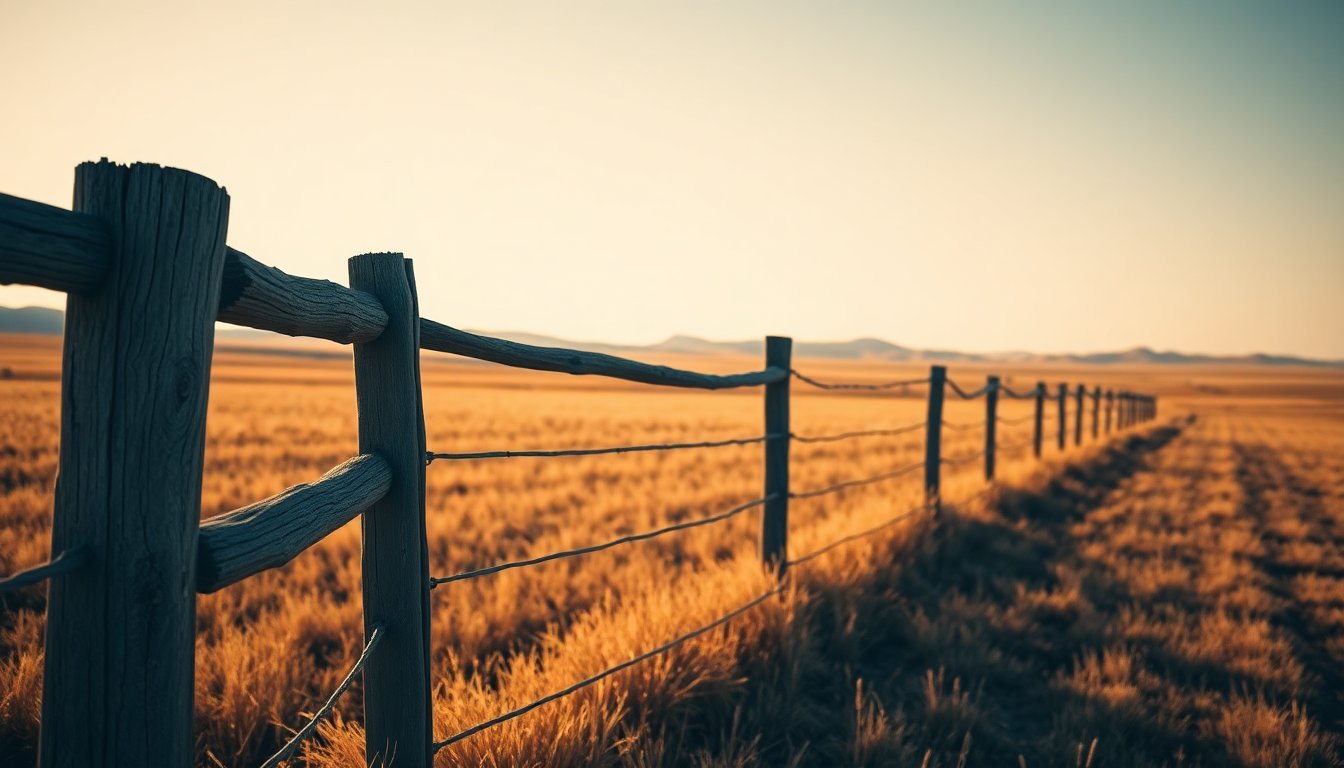
- Cedar — naturally resistant to rot and insects, plus it smells amazing and ages beautifully
- Pressure-treated pine — affordable and strong, treated to resist moisture and bugs
- Cypress — durable, weather-resistant, and gives a rich rustic tone
- Oak or hardwood rails — extremely tough (great for livestock that lean and push)
- Galvanized nails and screws — rust-resistant hardware that holds everything together
- Concrete — used to set posts firmly in the ground for extra stability
- Wood stain and sealant — protects the wood and keeps that fresh look longer
For most Dallas-area properties, we lean toward cedar or pressure-treated pine. Both handle our hot summers and occasional heavy rains well — and they look right at home on a Texas ranch.
How Do You Build a Cowboy Fence Step by Step?
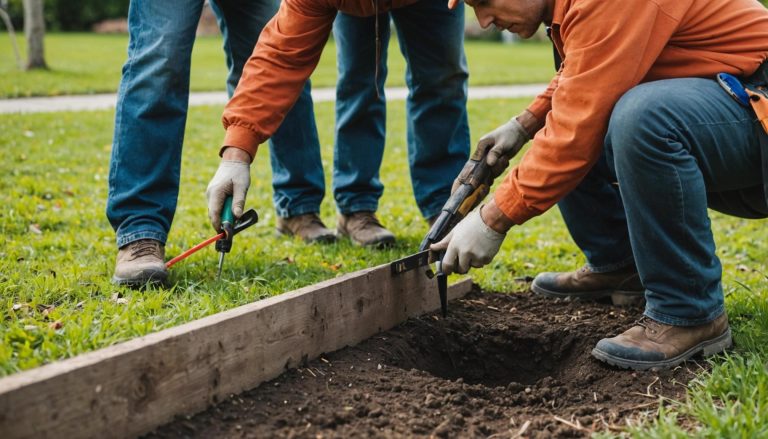
Building a cowboy fence isn’t rocket science, but doing it RIGHT takes planning and the proper tools. If you’re the DIY type, here’s the basic process. (And if it sounds like a lot — that’s what we’re here for.)
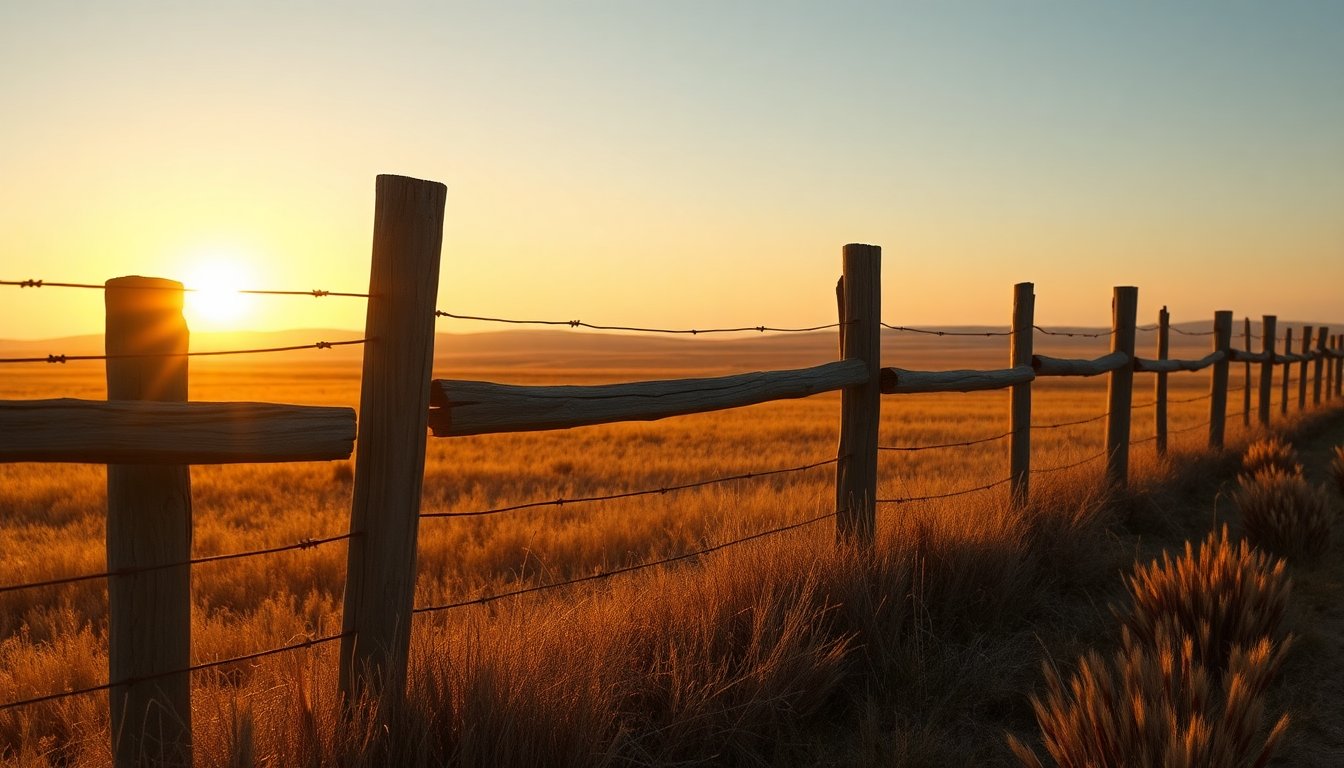
- Plan your layout. Measure the area, mark your corners, and figure out where gates will go. Call 811 to check for underground utilities before you dig — trust us on this one.
- Set your post spacing. Mark where each post will go, usually 6 to 8 feet apart. Consistency here makes the whole fence look clean.
- Dig the post holes. Aim for about 1/3 of the post’s length underground. So a 6-foot post needs roughly a 2-foot hole.
- Set the posts. Drop each post in, check it with a level, then pour concrete around it. Let it CURE — don’t rush this part (24 to 48 hours).
- Attach the rails. Once posts are solid, fasten your horizontal rails using galvanized screws or nails. Keep the spacing even between rails.
- Add gates. Install any swing or sliding gates you need for access. Make sure they open and close smoothly.
- Seal and stain. Finish with a quality stain or sealant to protect the wood and lock in that rustic look.
- Inspect everything. Walk the whole fence line. Check for wobbly posts, loose rails, and gaps. Fix anything that isn’t perfect.
Sounds simple enough — but the details matter. A poorly set post or uneven rails can make a fence look sloppy and cut its lifespan short. If you’d rather skip the sweat, our fence installation team handles all of it, from digging to staining.
What Are the Pros and Cons of a Cowboy Fence?
No fence is perfect for every situation. Cowboy fences have a LOT going for them, but there are a few trade-offs to keep in mind. Let’s be honest about both sides.
The Pros
- Affordable — fewer materials than a full privacy fence means lower costs, especially over big areas
- Rustic charm — nothing beats that classic Western look for a country property
- Great for livestock — sturdy enough to contain horses and cattle
- Easy to repair — swap out a damaged rail without tearing down the whole fence
- Open views — the gaps let you enjoy the landscape (perfect for scenic properties)
- Durable — with good wood and proper care, it lasts for years
The Cons
- No privacy — those gaps between rails mean people can see right through
- Not pet-proof for small animals — small dogs or cats can slip through the openings
- Requires maintenance — wood needs staining and sealing to stay in good shape
- Less security — easier to climb over than a tall solid fence
- Weather wear — untreated wood can crack, warp, or fade over time
Bottom line? A cowboy fence is FANTASTIC for ranches, large lots, and anyone who wants character over privacy. If you need to keep small pets in or block out nosy neighbors, you might want to pair it with something else — or go a different route entirely.
How Much Does a Cowboy Fence Cost to Install?
Cost is always the big question — and the honest answer is “it depends.” Your total comes down to the length of the fence, the type of wood, the number of rails, gates, and your property’s terrain. That said, we can give you some general ballpark figures to plan around.
- Basic pressure-treated pine — roughly $8 to $15 per linear foot installed
- Cedar cowboy fence — around $15 to $30 per linear foot (worth it for the durability)
- Split rail or rustic styles — $12 to $25 per linear foot depending on the wood
- Gates — a simple wood gate can add $150 to $500+ (automatic gates cost more)
- Staining and sealing — often an extra $1 to $3 per linear foot
- Difficult terrain — rocky or sloped land can raise labor costs
- Junk or tree removal — if the site needs clearing first, that’s an added service
Keep in mind — a longer fence usually costs LESS per foot because the crew gets more efficient over distance. And don’t forget ongoing care. A little fence staining and the occasional fence repair go a long way toward protecting your investment. We serve Dallas, Richardson, Garland, Mesquite, Addison, Irving, Carrollton, and Farmers Branch — so wherever you are in the metroplex, we can give you an accurate quote for your specific project.
Conclusion
A cowboy fence is one of the most CLASSIC, cost-effective, and downright good-looking fence options out there — especially if you love that rustic Texas ranch style. It’s perfect for marking boundaries, containing livestock, and keeping your views wide open. Just remember the trade-offs: less privacy and a little maintenance to keep the wood looking sharp.
At King Of Kings Fence in Dallas, we specialize in ranch style wood fences, custom gates, and everything in between. If you’re ready to bring a little Western charm to your property — reach out and let’s talk about building the perfect cowboy fence for YOU.