

Life Expectancy Of Wood Fence (2026 Guide)
When you invest in a new fence, one of the first questions you probably ask is simple: how long will it last? At King Of Kings Fence in Dallas, we hear this all the time, and the honest answer is that the life expectancy of wood fence installations depends on a mix of factors like wood type, weather, and maintenance. A good wood fence can serve your home for decades if you treat it right.
In this 2026 guide, we break down everything you need to know about how long wood fences last, what shortens their life, and how you can stretch every year out of yours. Whether you live in Dallas, Richardson, Garland, or anywhere nearby, this guide will help you plan smart.
How Long Does a Wood Fence Last on Average
Most wood fences last somewhere between 15 and 20 years. That is the general range for a properly installed and maintained fence. Some fences fall apart in under a decade because they were built with cheap materials or never got any care. Others last 25 years or more because the owner stayed on top of staining and repairs.
Here in North Texas, the heat, humidity swings, and occasional storms all play a role. A fence in Dallas faces different stress than one in a milder climate. Still, with the right wood and regular upkeep, you can expect solid performance for many years.
Here is a quick look at average lifespans based on common setups:
- Untreated pine fence: around 5 to 12 years
- Pressure-treated pine fence: around 15 to 20 years
- Cedar fence: around 15 to 30 years
- Redwood fence: around 20 to 30 years
- Fence with regular staining and sealing: can add 5 or more years to any of the above
What Factors Affect the Lifespan of a Wood Fence
No two fences age exactly the same way. Several things decide whether your fence lasts 10 years or 30. Understanding these factors helps you make better choices from the start.
Wood Species
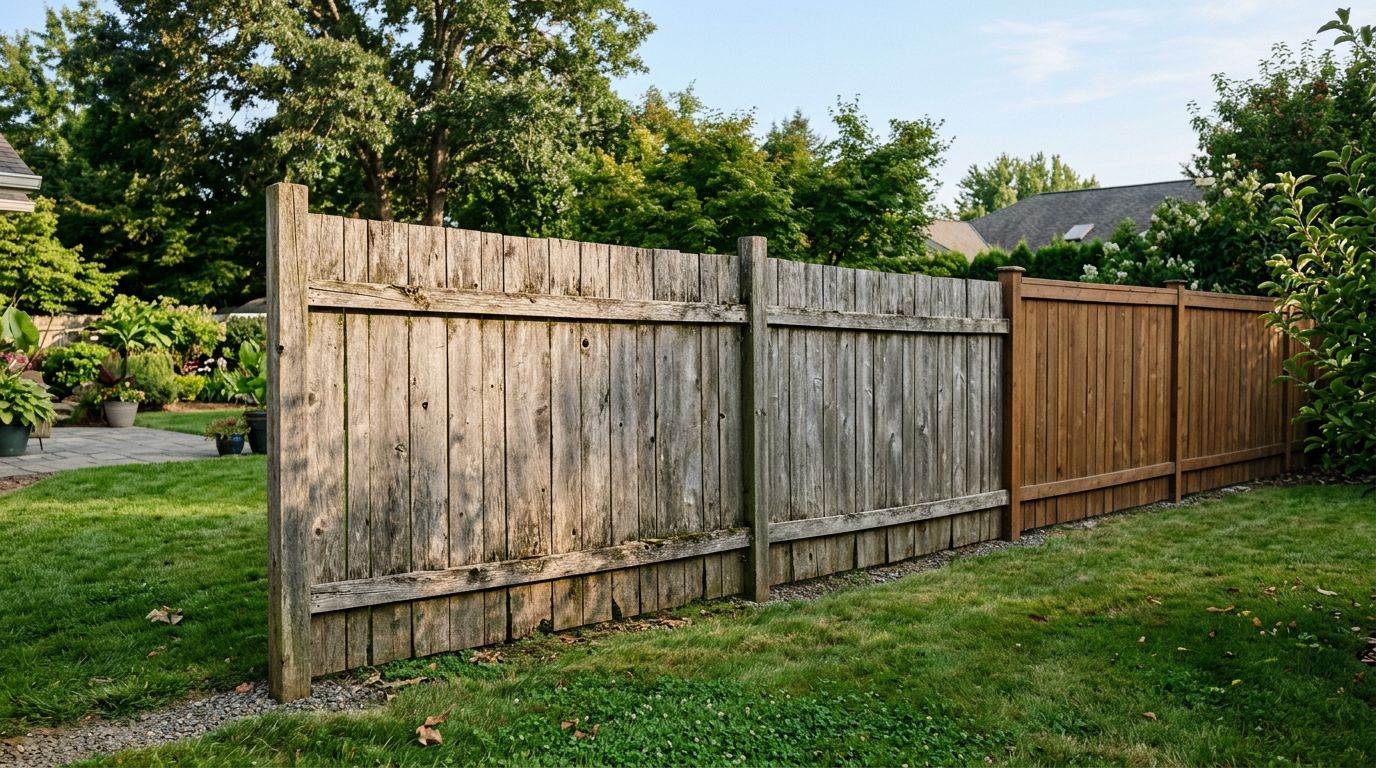
The type of wood is the BIGGEST factor. Cedar and redwood have natural oils that resist rot and insects. Pine is cheaper but needs pressure treatment to hold up. The wood you pick sets the baseline for how long everything will last.
Weather and Climate
Dallas summers get brutally hot, and moisture from storms can seep into wood. Sun dries out and cracks boards over time. Rain and humidity feed rot and mold. Fences that swing between wet and dry cycles tend to wear faster.
Installation Quality
A fence is only as strong as how it was built. Posts set too shallow or without proper concrete footings can lean or fall. Poor spacing and weak fasteners lead to early failure. GOOD installation makes a huge difference in the long run.
Maintenance Habits
Fences that get cleaned, stained, and sealed on a regular schedule simply last longer. Neglect is the fastest way to shorten a fence’s life. A little attention every couple of years goes a long way.
Ground and Moisture Contact
Wood that sits directly in wet soil rots quickly. This is why the bottom of a fence and the base of posts usually fail first. Good drainage and proper post setting protect these vulnerable spots.
Pests and Insects
Termites and other wood-boring bugs can destroy a fence from the inside. Some wood types resist them naturally, while others need treatment. Catching pest problems early saves the whole fence.
Which Wood Fence Types Last the Longest
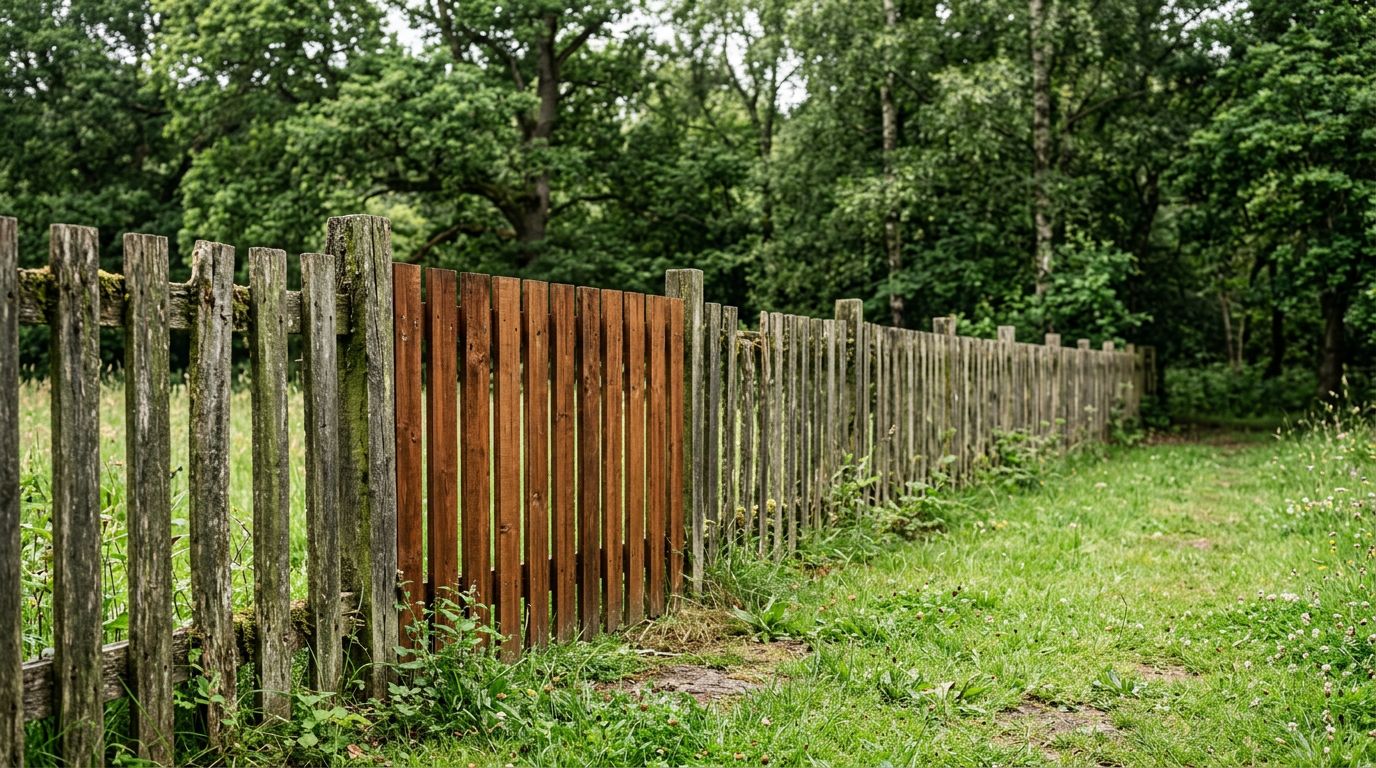
If you want maximum lifespan, the wood species you choose matters most. Cedar and redwood are the top performers because they naturally fight off rot and bugs. Pressure-treated pine is a strong budget-friendly option that still holds up well. Below is a simple comparison to help you weigh your choices.
| Wood Type | Average Lifespan | Rot Resistance | Cost Level | Best For |
|---|---|---|---|---|
| Cedar | 15 to 30 years | High | Medium to High | Long-term beauty and durability |
| Redwood | 20 to 30 years | Very High | High | Premium look and lifespan |
| Pressure-Treated Pine | 15 to 20 years | Medium to High | Low to Medium | Value and everyday use |
| Untreated Pine | 5 to 12 years | Low | Low | Short-term or temporary fencing |
| Cypress | 15 to 25 years | High | Medium | Natural insect resistance |
How to Extend the Life of Your Wood Fence
You do not have to accept the low end of the lifespan range. With smart care, you can push your fence well past the average. The key is being proactive instead of waiting for problems. Here are the steps we recommend to get the most years out of your wood fence.
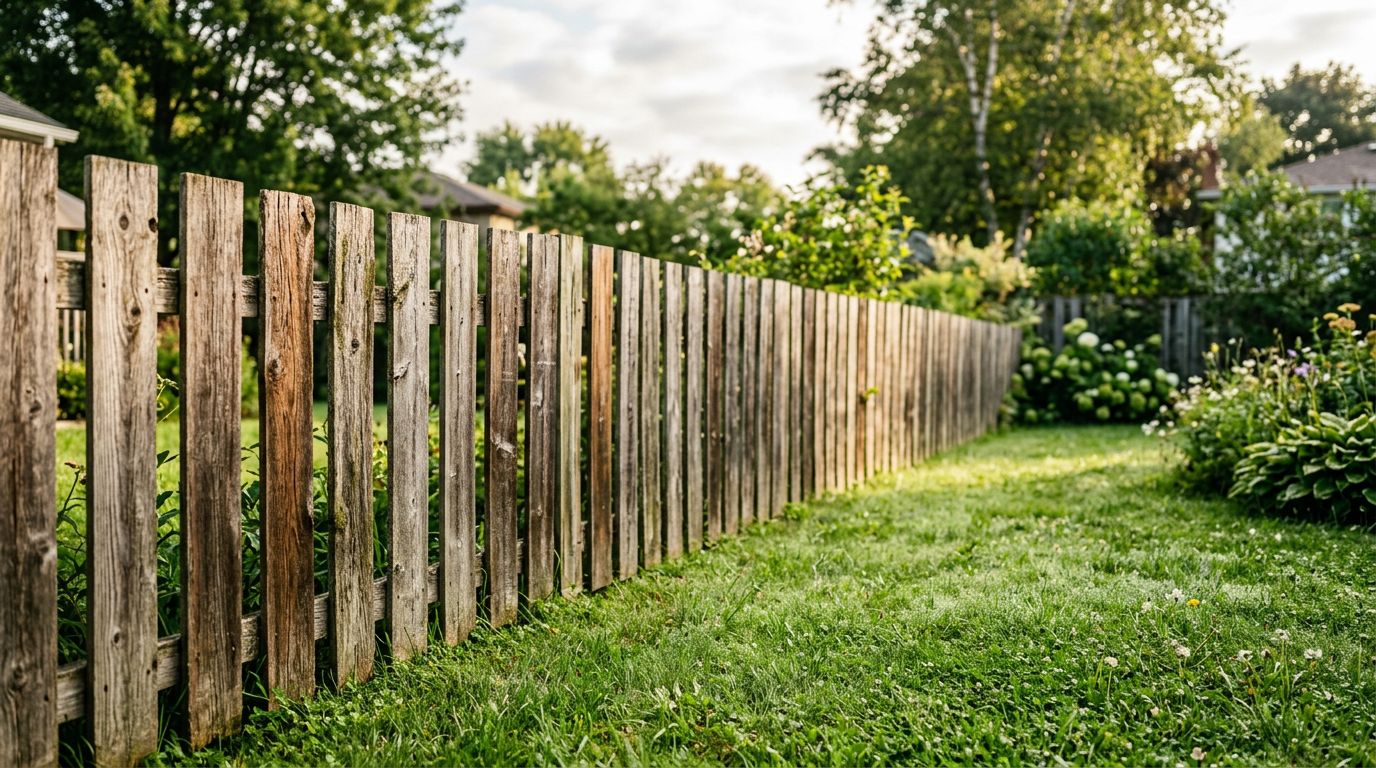
- Stain and seal regularly. Apply a quality stain or sealant every two to three years. This blocks moisture and blocks UV damage from the sun.
- Clean the fence. Wash off dirt, mold, and mildew at least once a year. A clean fence resists rot and looks better too.
- Fix small problems fast. Replace loose boards, tighten fasteners, and repair cracks before they spread. Small repairs prevent big failures.
- Keep plants trimmed back. Vines and shrubs trap moisture against the wood. Cut them back so the fence can dry out.
- Improve drainage. Make sure water flows AWAY from your posts. Standing water at the base speeds up rot.
- Check posts often. Posts hold everything up. Inspect them for leaning or softness and reset any that feel loose.
- Watch for pests. Look for signs of termites or wood-boring insects. Treat early to protect the whole structure.
Following these steps does not take much time, but it pays off big. Many fences that last 25 years or more got there because of steady, simple maintenance.
Signs Your Wood Fence Needs Repair or Replacement
Even the best-cared-for fence will eventually show its age. Knowing the warning signs helps you act before a small issue becomes a full teardown. Sometimes a quick repair is all you need. Other times, replacement is the smarter move. Watch for these red flags.
- Leaning posts that no longer stand straight or feel wobbly
- Rotting or soft wood that crumbles when you press on it
- Widespread cracking or splitting across many boards
- Loose or missing boards that leave gaps in the fence line
- Rusted or failing hardware like nails, screws, and brackets
- Mold, mildew, or discoloration that will not wash away
- Insect damage such as holes, tunnels, or sawdust piles
- Sagging gates that drag or no longer latch properly
If just a few boards or one section are affected, a repair usually solves it. But if damage is spread across the whole fence, or the posts are giving out, replacement is often the better long-term value. Our team can help you decide which path makes sense for your property.
Wood Fence vs Vinyl and Metal Longevity
Wood is not your only option, and it helps to know how it stacks up against other materials. Each type has trade-offs in lifespan, look, and upkeep. Here is how wood compares to vinyl and metal so you can make an informed choice.
Wood Fence Longevity
Wood gives you a warm, natural look that many homeowners love. With good care it lasts 15 to 30 years. The downside is that it needs regular maintenance like staining and sealing. Skip the upkeep and the lifespan drops fast.
Vinyl Fence Longevity
Vinyl fences can last 20 to 30 years or more with very little maintenance. They do not rot, warp, or attract insects. The main drawbacks are higher upfront cost and a look that some people find less natural than wood. Extreme temperature swings can also make vinyl brittle over many years.
Metal Fence Longevity
Metal options like wrought iron and chainlink are among the most durable. Wrought iron can last 30 years or more and adds a strong, elegant look. It does need rust protection over time. Chainlink is affordable and long-lasting, though it offers less privacy and a more industrial appearance.
Which One Is Right for You
The best choice depends on your budget, your style, and how much maintenance you want to handle. Wood is great for that classic look and can be very affordable. Vinyl wins on low upkeep. Metal wins on raw durability and security. Many homeowners even mix materials to get the best of each.
Conclusion
The life expectancy of a wood fence usually falls between 15 and 20 years, but the right wood and steady maintenance can push it to 30 or beyond. Wood species, weather, installation quality, and care all shape how long your fence will stand. Cedar and redwood lead the pack for longevity, while regular staining and quick repairs protect your investment.
If you are ready to install a new wood fence, repair an existing one, or explore vinyl and metal options, King Of Kings Fence proudly serves Dallas, Richardson, Garland, Mesquite, Addison, Irving, Carrollton, and Farmers Branch. Reach out to us and let our team help you build a fence that lasts for years to come.


