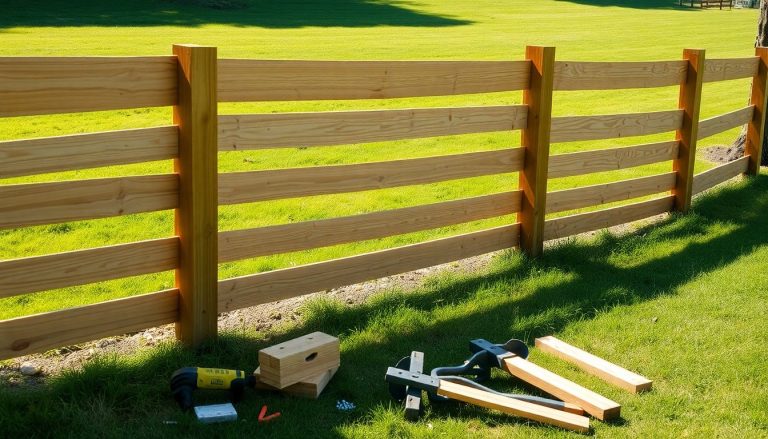
How To Secure Swing Gates (Easy Safety Guide 2026)
A swing gate that closes but does not LOCK is basically an open invitation. We see it all the time here in Dallas. Homeowners install a beautiful gate, feel proud of it, then leave it swinging free with a flimsy latch. Learning how to secure swing gates the right way keeps your family, pets, and property safe without a lot of fuss.
At King Of Kings Fence, we have installed and secured hundreds of gates across the Dallas area. In this easy safety guide for 2026, we will walk you through locks, hardware, step-by-step instructions, and the mistakes that trip up most people. Let us get into it.
Why Securing Swing Gates Matters for Safety and Security
A gate is only as strong as the hardware holding it shut. A poorly secured swing gate can blow open in a storm, let a dog wander into traffic, or give an intruder easy access to your backyard. In Texas we get high winds and curious kids, so a solid latch is not optional. It is a must.
Securing your gate protects more than just your stuff. It gives you peace of mind. Here is why it really matters:
- Child and pet safety – A latched gate keeps little ones and animals inside where they belong.
- Burglary prevention – Most break-ins are crimes of opportunity. A locked gate slows people down.
- Wind protection – A gate that swings loose in wind can damage itself, your fence, and even cars in the driveway.
- Liability – If your pool or yard is unsecured, you could be held responsible for accidents.
- Curb appeal and value – A well-secured gate looks intentional and cared for, which adds to home value.
What Are the Best Locks and Latches for Swing Gates
Not all locks are created equal. The best choice depends on your gate material, how often you use it, and how much security you want. Below are the main options we recommend to our customers.
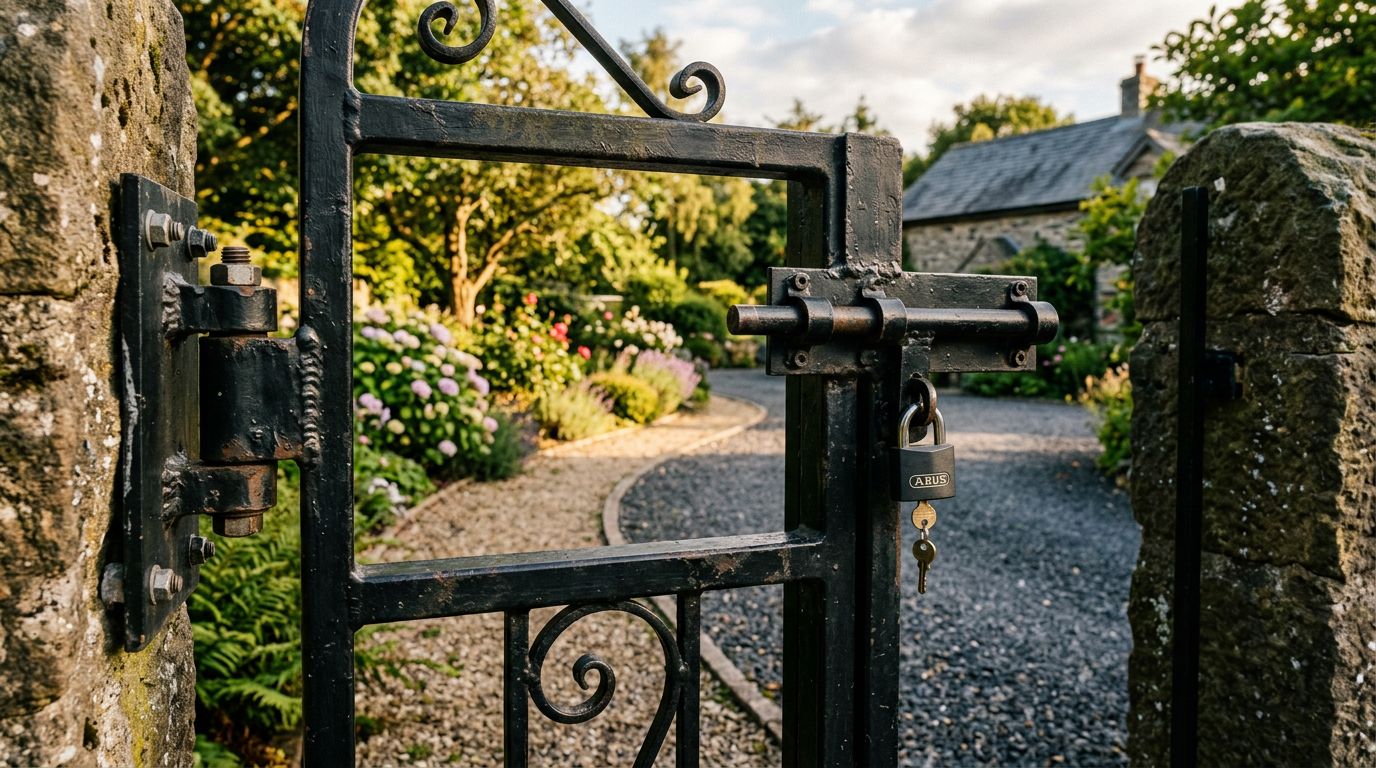
Gravity Latches
These are simple and popular for wood gates. The arm drops into a catch by gravity when the gate closes. They are easy to use with one hand. Add a locking pin or padlock hole for extra security. Great for backyards and garden gates.
Deadbolt and Keyed Locks
For serious security, a deadbolt style lock is hard to beat. You get a keyed entry that resists forcing. These work well on heavier gates and side entrances where you want real protection. We often pair these with metal gates for a tough combo.
Magnetic Latches
Magnetic latches pull the gate shut and hold it firmly. They resist rattling in the wind and last a long time because there are fewer moving parts. Perfect for pool gates since many meet safety code requirements.
Padlocks and Hasps
Cheap, easy, and effective. A weatherproof padlock on a heavy-duty hasp adds a layer that stops casual intruders. Just make sure to buy a rust-resistant model since Dallas humidity is rough on cheap metal.
Smart Locks and Electronic Keypads
If you want no keys at all, a smart lock or keypad lets you punch in a code or use your phone. These are great for gates you use often. They pair well with an professionally installed swing gate that is built to handle the extra hardware.
How to Secure a Swing Gate Step by Step
Securing a swing gate is not complicated, but doing it right matters. A latch mounted crooked or a hinge that sags will cause headaches down the road. Follow these steps and you will end up with a gate that shuts tight every time.
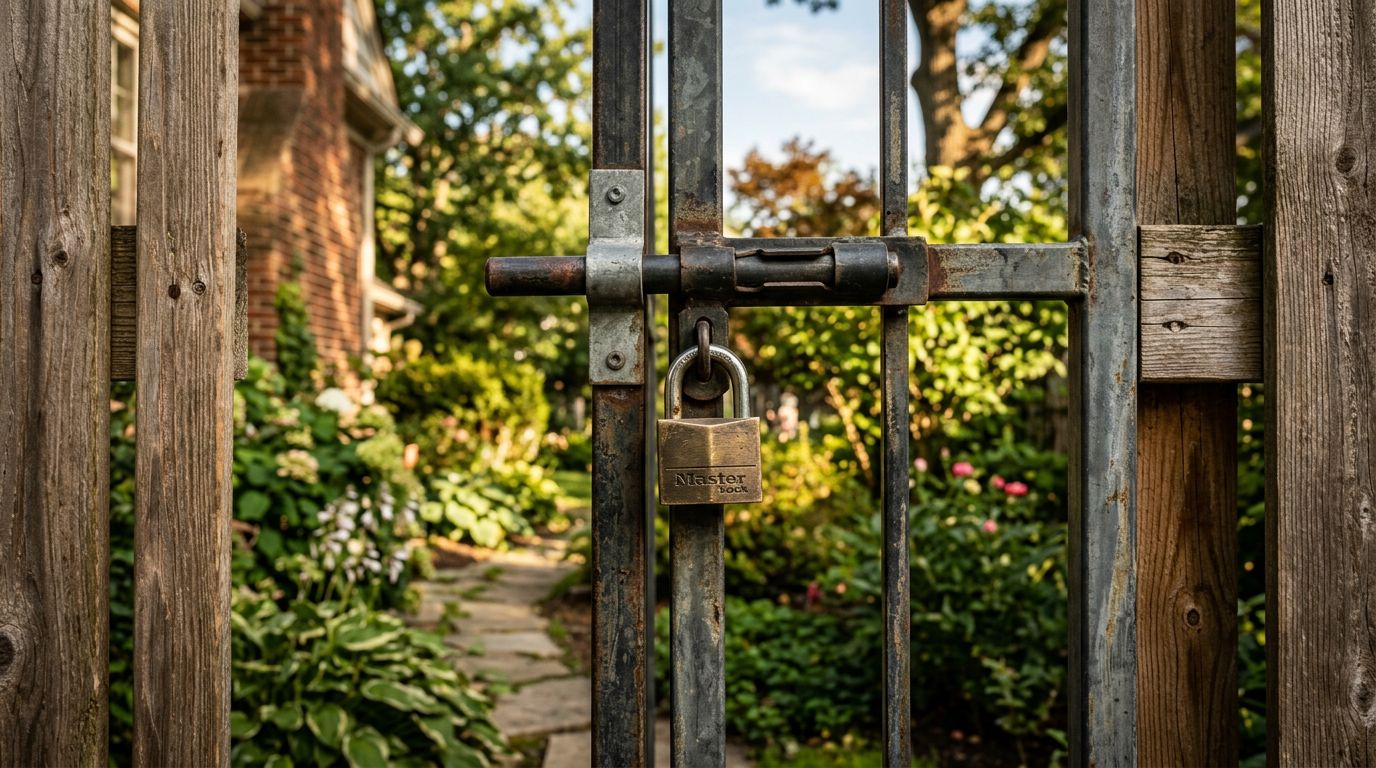
- Check the gate alignment first. Open and close the gate a few times. If it drags or the gap is uneven, adjust the hinges before you do anything else. A misaligned gate never latches well.
- Tighten all hinge screws. Loose hinges cause sagging. Swap short screws for longer ones that bite into solid framing.
- Pick your latch location. Mark where the latch will sit. Chest height works for most gates. Higher up keeps it out of reach of small kids.
- Install the latch and catch. Line up the moving part and the catch carefully. Use a level. Pre-drill your holes so the wood does not split.
- Test the latch action. Close the gate and make sure the latch drops or clicks smoothly. Adjust as needed until it works with light pressure.
- Add a lock. Attach your padlock, deadbolt, or keypad. Make sure it lines up with the latch holes.
- Install a gate stop. A stop keeps the gate from swinging past the frame and stressing the hinges.
- Weatherproof the hardware. Spray hinges and latches with a rust inhibitor. Dallas weather will eat unprotected metal fast.
- Do a final security check. Try to rattle the gate open. If it moves too much, add a second latch or a stronger catch.
If your gate is heavy steel or you want a custom setup, a custom steel gate installation gives you a frame that handles serious locks without warping over time.
How to Prevent Swing Gates From Opening in the Wind
Texas wind is no joke. A gate that flies open in a gust can slam into a fence post, dent a car, or snap a hinge. The good news is that a few small changes stop wind problems for good. It comes down to holding the gate firmly and reducing how much the wind can push it.
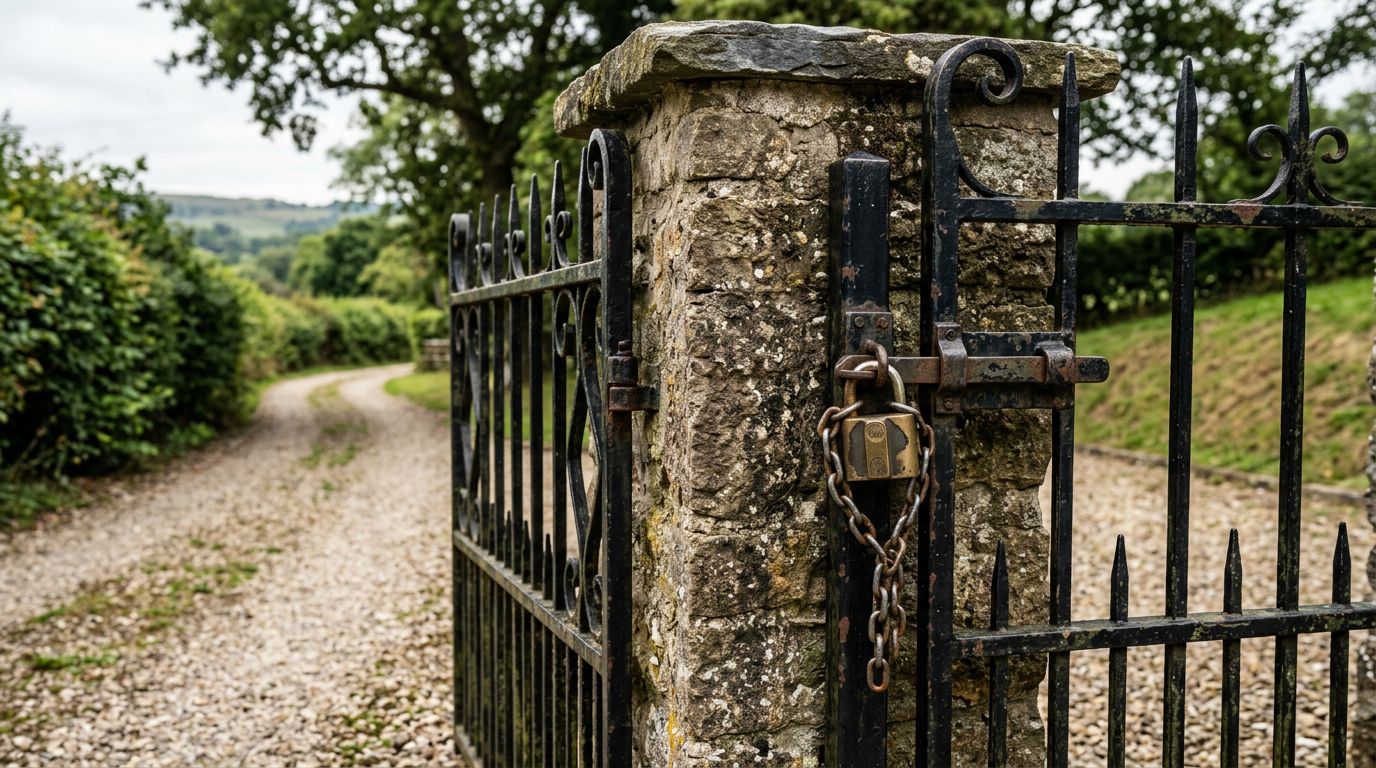
Here are the best ways to keep your swing gate shut when the weather turns nasty:
- Use a self-closing hinge. Spring hinges pull the gate shut automatically so it never sits half open in the breeze.
- Add a magnetic or gravity latch. These grab the gate and hold it, unlike loose barrel bolts that rattle free.
- Install a gate stop or drop rod. A drop rod that goes into the ground anchors the gate solid in strong wind.
- Reduce wind resistance. Solid privacy gates catch more wind. If yours catches too much, small gaps between boards let air pass through.
- Add a wind chain or tie-back. When you want the gate held open, a tie-back hook keeps it from swinging wild.
- Balance the gate weight. A heavy gate resists wind better than a light one, but it needs strong hinges to carry the load.
- Check the latch height. A latch too high or low may not engage fully. Center it for the best grip.
What Hardware and Tools Do You Need to Secure a Swing Gate
Having the right gear makes this job go smooth. You do not need a huge toolbox, but skimping on hardware quality will cost you later. Here is what we reach for on a typical gate security job.
Essential Hardware
Buy the best you can afford. Cheap zinc hardware rusts and fails within a year in our climate. Look for stainless steel, galvanized, or powder-coated parts.
- Heavy-duty hinges (self-closing if possible)
- A quality latch (gravity, magnetic, or lockable)
- Padlock, deadbolt, or keypad lock
- Gate stop and drop rod
- Long exterior-grade screws and lag bolts
- A gate spring or closer for auto-shut
Basic Tools
Most homeowners already own these. If not, they are worth buying since you will use them for many projects.
- Cordless drill and driver bits
- Level (a MUST for straight latches)
- Tape measure and pencil
- Socket wrench set for lag bolts
- Screwdrivers
- Safety glasses
Nice-to-Have Extras
These make the job easier and the result last longer.
- Rust inhibitor spray
- Wood filler or shims for adjustments
- A helper to hold the gate steady
- Clamps to hold hardware in place while you drill
If you want a full custom setup that looks amazing, our 8 foot full cedar fence with a custom double gate shows how the right hardware and build come together beautifully.
Common Swing Gate Security Mistakes to Avoid
We fix these mistakes all the time. Most of them come from rushing the job or buying the wrong parts. Avoid these and your gate will stay secure for years instead of months.
- Using cheap hardware. A five dollar latch on a nice gate is a false economy. It rusts, bends, and fails.
- Short screws in the hinges. Little screws pull out under weight. Use long lag bolts that reach solid framing.
- Ignoring gate sag. A sagging gate never latches right. Fix the hinges before adding locks.
- Mounting the latch crooked. Skip the level and you get a latch that only works when you jiggle it. Always use a level.
- Forgetting weatherproofing. Unprotected metal rusts fast in Dallas. Spray or grease your hardware.
- Only one point of contact. A single latch can be forced. Add a second lock or drop rod for tough security.
- Skipping the gate stop. Without a stop, the gate swings too far and stresses the hinges until they snap.
- Latch too low for safety. On pool gates, a low latch lets kids reach it. Keep safety latches high.
- Not testing after install. Always shake and pull the gate to make sure it truly holds. Guessing is not enough.
Conclusion
Securing a swing gate comes down to a few smart choices. Pick QUALITY hardware, align the gate before you add locks, and match the latch to how you use the gate. Add a self-closing hinge and a drop rod to beat the Texas wind, and always test your work before you walk away. Avoid the common mistakes and your gate will stay safe and strong for years.
If you want the job done right the first time, our team at King Of Kings Fence installs and secures gates all across Dallas, Richardson, Garland, Mesquite, Addison, Irving, Carrollton, and Farmers Branch. Reach out to us and let us help you build a gate that locks tight and lasts.