How Long Does Fence Installation Take? (2026 Timeline Guide)
One of the FIRST questions we hear at King Of Kings Fence is simple: “How long does fence installation take?” It’s a fair thing to ask. You’re planning around your schedule, your yard, maybe even a big weekend BBQ. Nobody wants their backyard torn up longer than it needs to be.
The honest answer? It depends. A small chain-link fence can go up in a day, while a large wrought iron project with automatic gates might take a week or more. In this 2026 timeline guide, we’ll break down exactly what to expect—by fence type, by factors, and by the little things (like permits and weather) that most homeowners forget about.
Average Fence Installation Timeline by Fence Type
Every fence is different, but there ARE general timelines you can plan around. Most residential fence installations in the Dallas area take anywhere from ONE to FIVE days once work actually begins. That doesn’t count the prep time—permits, material ordering, and scheduling—which can add a week or two on the front end.
Here’s a quick look at typical installation times based on the type of fence we’re building:
- Chain-Link Fence — 1 to 2 days (one of the fastest options)
- Wood Privacy Fence — 2 to 4 days (depending on length and terrain)
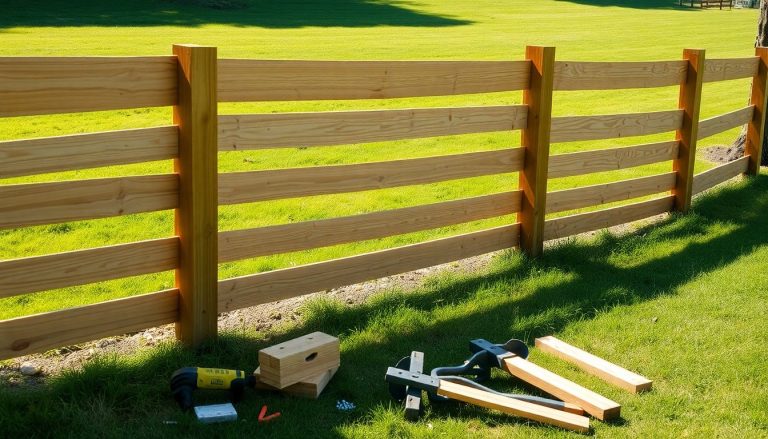
- Ranch Style Wood Fence — 2 to 3 days (fewer boards, quicker install)
- Wrought Iron Fence — 3 to 5 days (heavier materials, more precision)
- Vinyl Fence — 2 to 4 days (similar to wood in most cases)
- Automatic or Electric Gates — 1 to 3 EXTRA days (wiring and testing take time)
Keep in mind these are ballpark figures. A short backyard fence is a totally different job than fencing an acre of ranch property. Longer runs, steep slopes, and rocky soil all push those numbers up.
What Factors Affect How Long Fence Installation Takes?
No two projects are the same. Below are the biggest factors that determine whether your fence goes up in a day—or takes most of a week.
Fence Length and Property Size
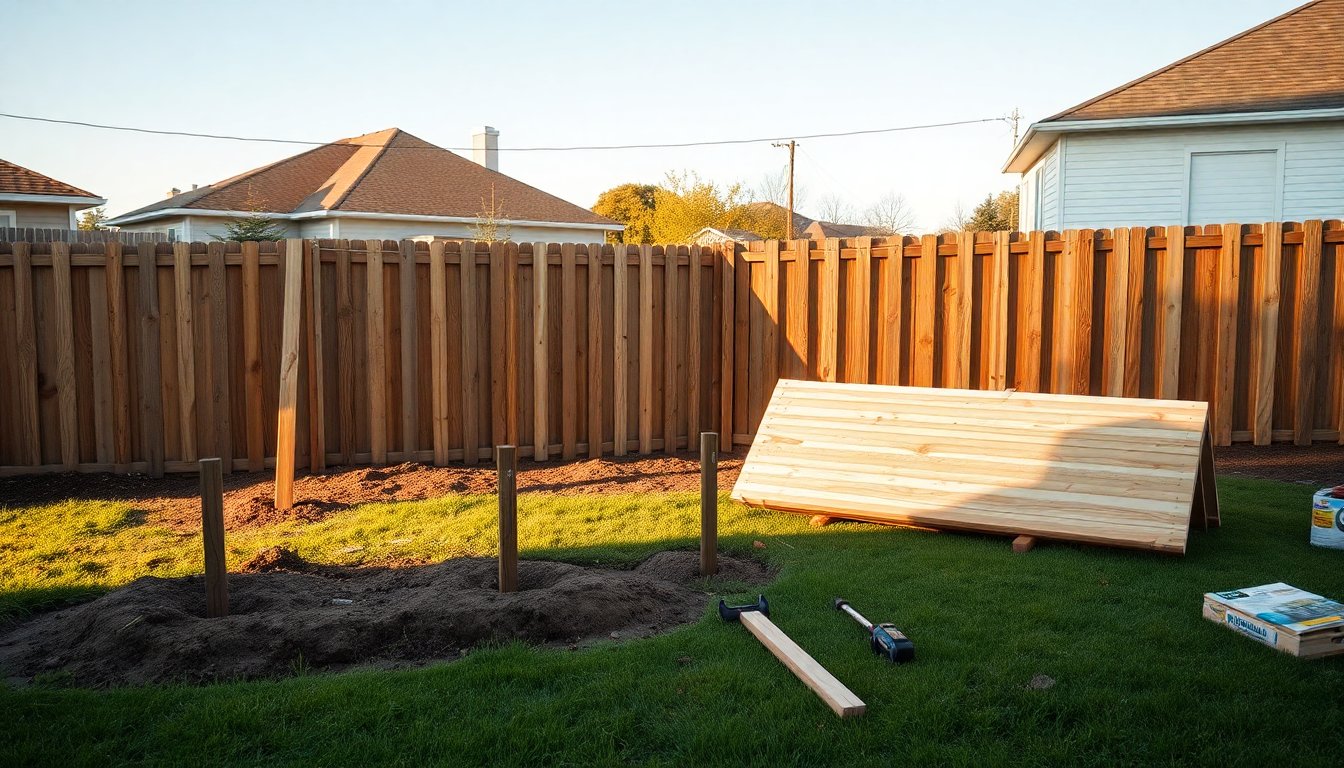
This one is obvious but worth stating. A 50-foot fence and a 500-foot fence are NOT the same project. More linear footage means more posts, more digging, and more materials to install. Larger properties (think ranch style fences on acreage) naturally take longer.
Fence Material and Design
Simple designs go up faster. A basic chain-link fence installs quickly because the components are lightweight and standardized. Wrought iron, on the other hand, requires careful placement and heavier lifting—so it takes more time and often more crew members.
Terrain and Slope
Flat, open yards are a dream to work on. Sloped or uneven ground? That’s another story. We may need to step the fence, custom-cut panels, or dig deeper post holes—all of which add hours (sometimes days) to the job.
Gates and Automation
A plain fence is straightforward. But add a sliding gate, swing gate, or full automatic gate system, and the timeline stretches. Electric gates require wiring, sensors, and thorough testing before we call it done. We NEVER rush this part—safety matters.
Old Fence Removal
If we’re replacing an existing fence, we have to tear out the old one first. Demolition and junk removal can add a half-day or full day, especially if the old posts were set in concrete (they usually are).
Crew Size and Scheduling
A bigger crew can knock out a project faster—but availability matters too. During busy seasons (spring and fall in Dallas), scheduling can affect your start date more than the actual build time.
How Long Does It Take to Install a Wood, Vinyl, or Chain-Link Fence?
Let’s get specific. These three are the most common fences we install across Dallas, Richardson, Garland, and the surrounding suburbs. Here’s how the process typically unfolds—step by step—and roughly how long each phase takes.
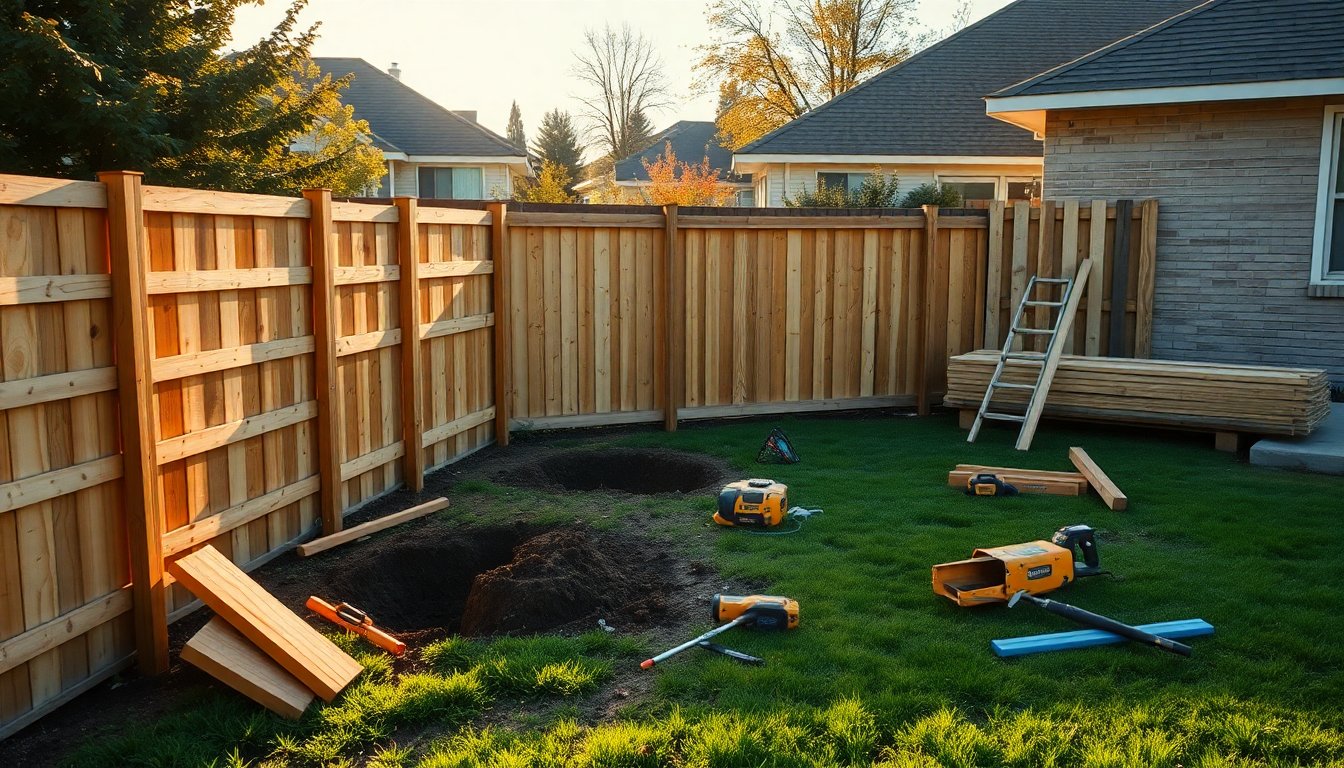
- Day 1 — Layout and Post Setting. We mark the fence line, dig post holes, and set posts in concrete. This is the foundation of the entire fence, so it can’t be rushed.
- Curing Time (Wood & Vinyl). Concrete needs time to cure—usually 24 to 48 hours—before we hang panels or boards. Chain-link is more forgiving here.
- Day 2 to 3 — Panel or Rail Installation. Once posts are solid, we attach rails, pickets, or panels. Wood takes longer because each board is fastened individually.
- Day 3 to 4 — Gates and Hardware. We install gate frames, hinges, latches, and any hardware. Manual gates go fast; automatic ones take longer.
- Final Walkthrough. We inspect everything, clean up the site, and haul away debris. Then we walk the fence WITH you to make sure it’s exactly right.
Quick rule of thumb: Chain-link is the fastest (1–2 days), vinyl and wood land in the middle (2–4 days), and anything with concrete curing or automation adds a day or two. Fences that need staining afterward will need extra dry time too.
Do Permits and HOA Approvals Add Time to Fence Installation?
Short answer—YES, they can. This is the part homeowners underestimate the most. The actual building of a fence might only take a few days, but getting approval to build it can take longer than the install itself.
Here in the Dallas area, permit and approval requirements vary by city and neighborhood. Here’s what commonly adds time before we can even start:
- City Permits — Some cities (like Irving, Carrollton, and Farmers Branch) require a fence permit, especially for taller fences or corner lots. Approval can take a few days to a couple weeks.
- HOA Approval — If you’re in an HOA neighborhood, you’ll likely need written approval on materials, height, and style. This is often the biggest delay—some HOAs only meet monthly.
- Utility Line Locates — Before ANY digging, underground utilities must be marked (this is required by law). It’s free but usually takes a few business days.
- Property Line Verification — If there’s any question about where your line is, a survey may be needed. This protects you from disputes down the road.
- Historic District Rules — Certain older neighborhoods have extra restrictions that require additional review.
Our advice? Start the approval process EARLY. We’re happy to help guide you through what your specific city or HOA requires. Get the paperwork moving, and by the time it clears, we can hit the ground running.
How Weather and Soil Conditions Impact Your Fence Installation Schedule
Texas weather has a mind of its own. And believe it or not, what’s under your feet matters just as much as what’s over your head. Both can shift your timeline.
Rain and Wet Ground
Rain is the number-one weather delay. Wet soil makes digging messy and setting posts unreliable. If concrete gets rained on before it sets, it can weaken the whole fence. We’d rather wait a day than build on a bad foundation.
Extreme Heat
Dallas summers get BRUTAL. While we work through the heat, extreme temperatures can slow crews down and affect how quickly concrete cures. Safety of our team comes first—so triple-digit days may mean adjusted schedules.
Freezing Temperatures
It doesn’t happen often here, but hard freezes can affect concrete curing and make the ground difficult to dig. Cold snaps in winter can push a start date back a day or two.
Rocky or Clay-Heavy Soil
North Texas is famous for its clay soil—and in some spots, rock. Digging post holes in hard clay or hitting bedrock takes MUCH longer than digging in soft, loamy dirt. Sometimes we need special equipment, which can add time.
Sandy or Loose Soil
On the flip side, loose soil can be its own challenge. Posts may need deeper holes or more concrete to stay stable, adding a bit of labor to the job.
How to Speed Up Your Fence Installation Process
Want your fence up as fast as possible? There’s plenty YOU can do to keep things moving. A little prep on your end goes a long way toward avoiding delays.
- Start Permits and HOA Approvals Early — Don’t wait until the last minute. Submit paperwork the moment you decide to move forward.
- Clear the Fence Line — Remove furniture, planters, toys, and anything blocking the work area. The clearer the path, the faster we work.
- Trim Back Landscaping — Overgrown bushes and low branches slow things down. Cut them back before we arrive.
- Confirm Property Lines Ahead of Time — Knowing exactly where your boundaries are prevents mid-project surprises.
- Handle Old Fence Removal in Advance — Or let us bundle it with junk removal so it’s one seamless job.
- Keep Pets Secured — With gates open and holes dug, an open work zone isn’t safe for pets. Keep them inside.
- Decide on Details Upfront — Pick your materials, stain color, and gate style before we start. Last-minute changes cause delays.
- Schedule During Off-Peak Seasons — Late winter and mid-summer tend to be less busy than spring and fall.
The bottom line: communication and preparation are EVERYTHING. When you’re ready and the site is clear, we can often finish faster than expected. We serve homeowners across Dallas, Richardson, Garland, Mesquite, Addison, Irving, Carrollton, and Farmers Branch—and we’ve learned that a smooth project starts with a smooth plan.
Conclusion
So—how long does fence installation take? For most homeowners, expect ONE to FIVE days of actual work, plus a bit of lead time for permits, materials, and approvals. Chain-link is quickest, wood and vinyl fall in the middle, and wrought iron or automatic gates take the longest. Factors like weather, soil, slope, and HOA rules can all shift your timeline.
The good news? With the right team and a little prep, your project can go smoothly from start to finish. At King Of Kings Fence, we build fences that last—and we keep you informed every step of the way. Ready to get started on your fence, gate, or repair project in the Dallas area? Reach out to us today and let’s map out your timeline together.