Do You Have to Give Your Neighbor the Good Side of the Fence? (Find Out Now)
Hey there, fence enthusiasts! Have you ever pondered whether you need to give your neighbor the good side of the fence? At King Of Kings Fence, we’re here to fence-splain this mystery just for you! As experts in fence installation and repair across Dallas and its neighboring areas, we know exactly how to navigate this home improvement conundrum.
In this engaging article, we’ll dive into what the “good side” of the fence really means, explore any legal obligations you might have, and dish out some neighborly etiquette tips for choosing the best fence orientation. Join us as we unravel the dos and don’ts and make every side of your fencing fabulous. Keep reading to discover how to turn your property into one fit for royalty!
What is the “Good Side” of the Fence and Why Does it Matter?
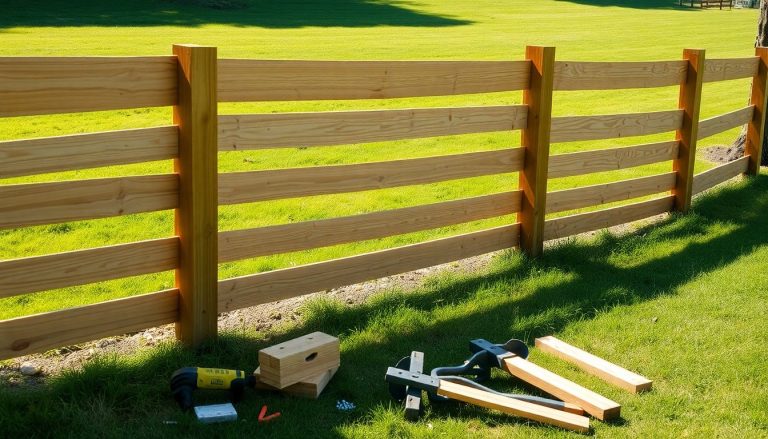
The “good side” of the fence refers to the visually appealing side that lacks posts and rails—the side that looks the most polished and finished. Traditionally, the good side faces outward toward the neighbor or street to create a more attractive view from outside your property. It’s more than just aesthetics, though—it can impact neighborly relations and even potentially affect property value.
Reasons why the “good side” matters:
- Neighborly Courtesy: Facing the good side outward is often seen as a gesture of goodwill and respect to neighbors.
- Improved Curb Appeal: An attractive fence helps enhance the overall look of your property from the street, which can be inviting to guests and passersby.
- Property Value: Well-maintained, aesthetically pleasing fences can positively affect property value and appeal to potential buyers.
- Local Regulations: Some areas have codes or HOA guidelines regarding which side should face neighbors or public areas.
- Conflict Avoidance: Correctly orienting the fence can prevent disputes or tensions with neighbors over perceived fairness and visual impact.
Are There Legal Requirements for Which Side of the Fence Faces Outward?
When installing a new fence, one key concern is determining which side faces your neighbor. While fence orientation often seems like a matter of preference or courtesy, there can actually be legal implications to consider.
Understanding Local Laws and Regulations
Not all areas have clear-cut laws about fence orientation. However, some municipalities and homeowners’ associations have specific regulations. These rules might require the more finished, or “good,” side of the fence to face outward. This is to ensure uniformity and maintain neighborhood aesthetics.
Before building, it’s crucial to check your local building codes and HOA guidelines. Breaking the rules could result in fines or having to redo your fence—a costly mistake.
Boundary and Property Line Considerations
Positioning your fence incorrectly could unintentionally lead to boundary disputes. If your fence encroaches on your neighbor’s property, you might have to remove or relocate it. Consult a professional surveyor to confirm your property lines before starting the project.
Neighborhood Norms and Traditions
Even if the law doesn’t explicitly dictate fence orientation, neighborhood norms may. These unwritten rules—traditions followed by most residents—can be powerful. Going against them might lead to neighborly tension.
Always consider having a polite conversation with your neighbor. Discuss your plans openly. A simple chat can prevent misunderstandings, ensuring harmony rather than discord.
In summary, while legal requirements for fence orientation can vary, ignoring them can lead to complications. Always do your due diligence with local laws and your neighbors before proceeding. Up next, we’ll explore the etiquette of fence installation between neighbors.
What Are the Etiquette Guidelines for Fence Installation Between Neighbors?
Installing a fence might seem straightforward, but maintaining good neighborly relations is just as important as the fence itself. Poor planning or miscommunication can lead to disputes or misunderstandings. Following some basic etiquette can ensure a smooth process and preserve harmony between neighbors.
Here are some guidelines to follow when installing a fence:
- Communicate Early: Inform your neighbor about your plans to install a fence. Discuss your intentions and listen to any concerns they may have.
- Agree on Boundaries: Verify property lines with official surveys to avoid disputes. Clarifying boundaries prevents accidental encroachment onto your neighbor’s property.
- Consult Local Regulations: Check for any local zoning laws or homeowners association rules regarding fence height, style, and placement.
- Consider Maintenance: Discuss responsibilities for upkeep or repair, particularly if the fence will be shared or situated on a boundary line.
- Choose a Mutually Pleasing Style: Where possible, choose a style and color that complements both properties. This consideration can prevent aesthetic clashes or resentment.
- Document Agreements: Once decisions are made, document them in writing. This helps prevent future misunderstandings or conflicts.
- Show Respect During Construction: Schedule work at reasonable hours and keep the construction area tidy. Inform your neighbor of the timeline to minimize inconvenience.
By following these etiquette guidelines, you can create a fence that serves its purpose without setting up barriers (pun intended) with those living next door.
How Can I Discuss Fence Orientation with My Neighbor?
Discussing fence orientation with a neighbor might seem daunting, but it doesn’t have to be. Open communication is key to preventing misunderstandings and disputes. Sharing your intentions and considerations can go a long way in maintaining a good neighborly relationship.
Here are some practical tips for how to approach the conversation and reach a mutually acceptable decision about the fence orientation:
- Timing is Important: Choose a convenient time when both you and your neighbor are not rushed or stressed, ensuring they can fully engage in the discussion.
- Be Clear and Transparent: Clearly explain your reasons for the fence installation and why you prefer a certain orientation. Transparency can foster trust.
- Show Consideration: Acknowledge your neighbor’s point of view and any potential impact the fence may have on their property or lifestyle.
- Provide Options: Be open to different solutions that may satisfy both parties. This could include alternative designs or compromise on orientation.
- Use Visuals: Bring along sketches or photos that illustrate the proposed fence, helping your neighbor better understand your vision.
- Discuss Maintenance Plans: Talk about who will be responsible for maintaining the fence—especially if it’s on the property line.
- Address Legal Concerns: Bring up any existing local codes or regulations regarding fencing that might need to be considered in your decision.
- Suggest Formal Agreements: If needed, propose a written agreement outlining the terms you both agree on to prevent future disputes.
By approaching the conversation with respect and openness, you can work towards a solution that satisfies both you and your neighbor, preserving harmony in your community.
What Are the Consequences of Ignoring Fence Etiquette?
Overlooking fence etiquette might seem inconsequential at first, but it can lead to significant issues. Having an honest conversation with your neighbor before installation can save both parties future headaches. Ignoring these social norms can create disputes and disharmony between neighbors.
Potential Disputes
Building a fence without consulting your neighbor can result in conflicts. Misunderstandings around property lines, fence height, or style can sour relations. Disputes might escalate, leading to prolonged arguments or even legal actions.
Impact on Property Value
A poorly placed or mismatched fence can negatively affect your property’s curb appeal—and consequently, its value. Potential buyers may view an unsightly fence as a flaw, affecting the saleability of both properties involved.
Legal Repercussions
If your fence violates local zoning laws or property boundaries, you might face legal consequences. This could mean fines, mandated fence removal, or court appearances. Rectifying these issues can be costly and time-consuming.
Strained Neighbor Relations
Living next to unhappy neighbors isn’t ideal. Patched relationships become awkward (at best) or hostile (at worst). By maintaining open communication and respecting each other’s opinions, you can keep relationships harmonious.
Paying attention to fence etiquette isn’t just about being a good neighbor—it’s about protecting your property and peace of mind. Up next, we’ll cover tips for choosing the right fence style and orientation.
Tips for Choosing the Right Fence Style and Orientation
Choosing the perfect fence can transform your backyard and improve your relationship with your neighbors. A well-thought-out fence not only enhances your home’s aesthetics but also respects the community vibe. Here are some crucial tips to consider when selecting the right style and orientation for your fence:
- Consider Your Neighborhood’s Aesthetic: Match your fence style to the general look and feel of your neighborhood. This helps maintain harmony and avoids standing out negatively.
- Evaluate Functionality: Decide what your primary needs are—is it privacy, security, or decoration? Your choice will influence the height and material of your fence.
- Research Local Regulations: Check with local authorities or your homeowners’ association for any guidelines or restrictions on fence designs and orientations.
- Prioritize Durability: Select materials that withstand local weather conditions (like strong winds or heavy rain) to ensure longevity and less maintenance.
- Mind Your Neighbors: Discuss with your neighbors to ensure the fence’s orientation is mutually beneficial—usually with the ‘good side’ facing outwards.
- Incorporate Landscaping: Use plants, shrubs, or flowers alongside your fence to add greenery and improve visual appeal.
- Budget Considerations: Balance your desires with your budget. Certain materials, like iron or composite, offer long-term durability but come at a higher initial cost.
- Opt for a Timeless Design: Trends come and go, so choosing a classic style can prevent your fence from looking dated in a few years.
By taking these tips into account, you’ll choose a fence that not only suits your personal preferences but also stands the test of time and neighborhood harmony.
Conclusion
In conclusion, while there is no universal law that mandates giving your neighbor the good side of the fence, it is often considered a gesture of goodwill and could help maintain a harmonious relationship. It is essential to familiarize yourself with any local regulations and homeowners’ association guidelines that might influence your decision. A balanced consideration of aesthetics and community spirit will ensure that your fencing project proceeds smoothly and positively impacts neighbor relations.
At King Of Kings Fence, our priority is to provide exceptional fence installation services that not only meet your design preferences but also accommodate neighborhood harmony. Based in Dallas and serving surrounding areas including Richardson, Garland, and Irving, our expert team is dedicated to delivering high-quality craftsmanship and customer satisfaction. If you have any questions or are planning a new fence installation, contact Emanuel at (469) 258-9458 or via email at kingofkingsfence@gmail.com for personalized guidance and a quote. Let us help you create a fence that’s both a visual delight and a neighborhood pleaser.