

Average Cost Of Fence Installation (2026 Price Guide)
Thinking about adding a new fence to your property? One of the first questions we hear from homeowners is simple: how much is this going to cost? The average cost of fence installation depends on a bunch of factors, and prices have shifted heading into 2026. At King Of Kings Fence in Dallas, we install fences of every type across the metro area, so we know exactly what goes into pricing a project the right way.
In this guide, we break down what you can expect to pay in 2026. We cover material costs, factors that move the price, and smart ways to save. Let’s dig in.
How Much Does Fence Installation Cost in 2026?
The average cost of fence installation in 2026 runs anywhere from a few thousand dollars for a small yard to well over ten thousand for larger properties with premium materials. Most homeowners land somewhere in the middle. The two biggest drivers are the MATERIAL you choose and the total LENGTH of fence you need. Labor, terrain, and gates add to the final number too.
Here is a quick look at typical price ranges we see across the Dallas area. These are estimates to help you plan. Your actual quote can vary based on your specific yard.
| Project Size | Typical Linear Feet | Estimated Total Cost |
|---|---|---|
| Small yard | 100 – 150 ft | $1,800 – $5,000 |
| Medium yard | 150 – 250 ft | $3,500 – $9,000 |
| Large yard | 250 – 400 ft | $6,000 – $16,000 |
| Ranch or acreage | 400+ ft | $10,000 – $30,000+ |
Fence Installation Cost by Material Type
Material is where most of your budget goes. Each option has its own look, lifespan, and price point. Here is how the most common choices stack up.
Wood Fence
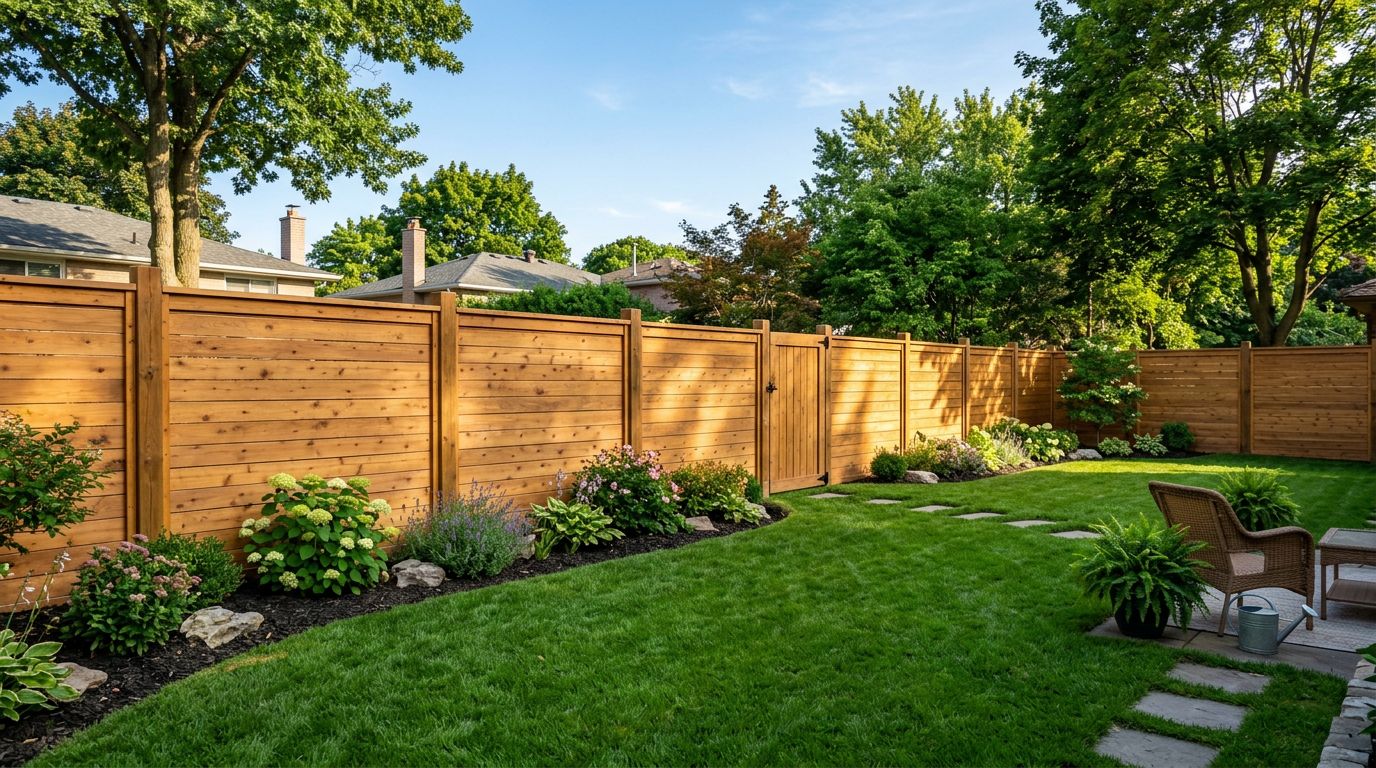
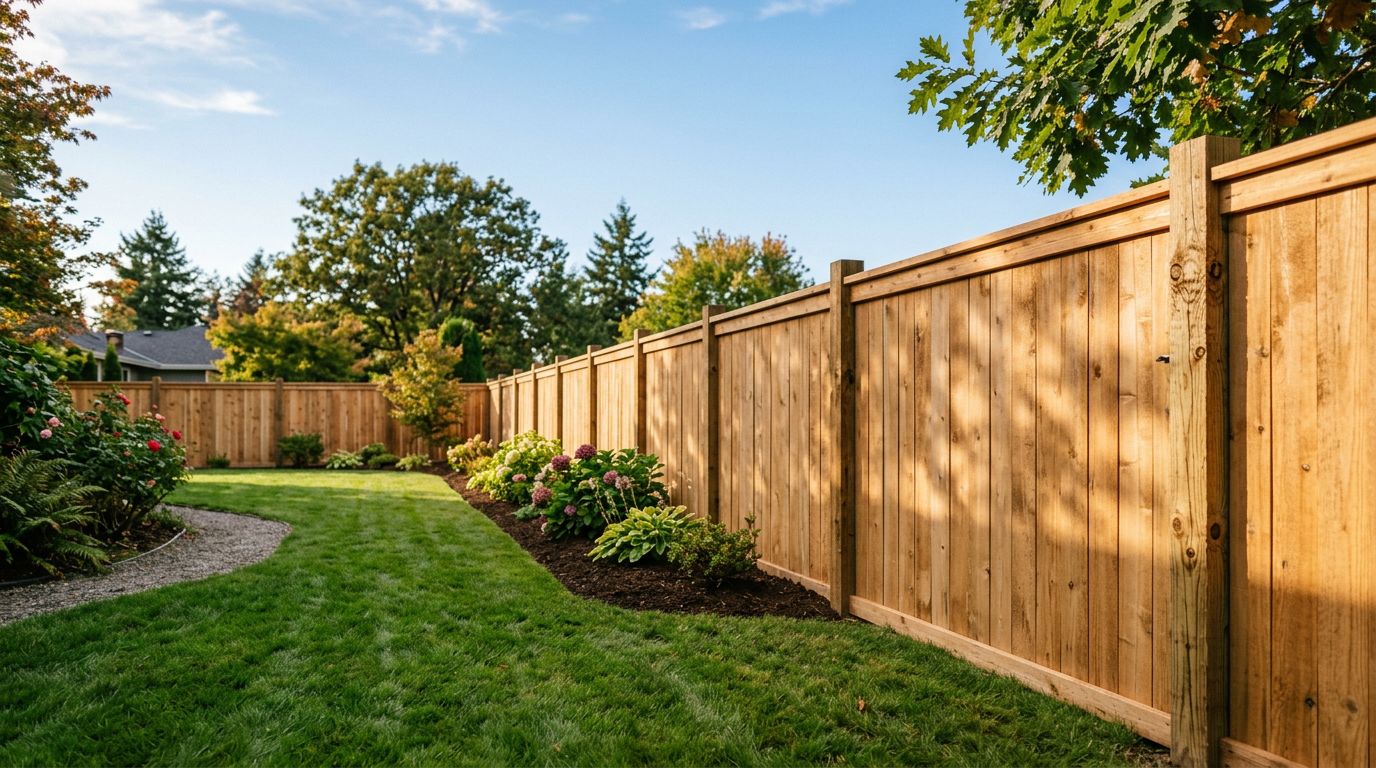
Wood is one of the most popular picks in Texas, and for good reason. It looks great, offers solid privacy, and it fits almost any home style. Cedar and pine are the usual go-tos. Wood fencing typically costs about $15 to $35 per linear foot installed. A wood fence installation gives you a warm, classic look. If you have a bigger property, a ranch style wood fence is a great fit and can cover a lot of ground affordably. Just remember wood needs upkeep like staining to keep it looking sharp.
Vinyl Fence
Vinyl costs more upfront but it is nearly maintenance free. You never have to paint or stain it. A quick wash keeps it looking new. Expect to pay around $25 to $45 per linear foot installed. Vinyl holds up well to Texas weather and resists rot and pests. If you want a clean look with little effort, vinyl is worth a look.
Chain Link Fence
Chain link is the budget champ. It is durable, low maintenance, and it does its job. Great for securing a yard, a garden, or a play area for kids and pets. Chain link runs about $10 to $20 per linear foot installed. It does not offer much privacy, but you can add slats for that. A chain link fence installation is one of the fastest and most affordable options we offer.
Aluminum Fence
Aluminum gives you the look of wrought iron without the heavy maintenance. It will not rust like steel, and it is lighter to work with. Aluminum fencing costs roughly $25 to $50 per linear foot installed. It is a great choice for pool areas and decorative borders. It adds a polished, upscale feel to a property.
Composite Fence
Composite is made from a blend of wood fibers and plastic. You get the look of wood with much less upkeep. It is on the pricier end, usually $30 to $60 per linear foot installed. Composite resists rot, warping, and fading. If your budget allows and you want long-term ease, it is a strong pick.
What Factors Affect the Cost of Installing a Fence?
Two homes on the same street can get very different fence quotes. Why? Because a lot goes into the final number beyond just material. Here are the main things that move the price up or down.
- Fence material. As you saw above, this is the biggest single factor. Premium materials cost more per foot.
- Total length. More linear feet means more material and more labor. Bigger yards cost more.
- Fence height. A taller fence uses more material. A 6-foot fence costs more than a 4-foot fence.
- Terrain and slope. Uneven or rocky ground makes digging harder and takes longer.
- Gates. Every gate adds cost. Automatic, sliding, or swing gates cost more than a simple walk-through gate.
- Old fence removal. If we need to tear out an existing fence and haul it off, that adds to the total.
- Permits. Some cities and HOAs require permits, which can add a small fee.
- Utility lines. We always call before we dig. Marking and working around lines can affect timing.
- Add-ons. Things like staining, decorative caps, or extra hardware raise the price.
Fence Cost per Linear Foot vs Total Project Cost
You will hear two ways of talking about fence pricing. Cost per linear foot is the price for each foot of fence, including material and labor. Total project cost is what you actually pay when everything is added up. It is important to understand both. A low per-foot price can still add up fast on a big yard. And a small yard with premium material may cost less overall than a big yard with cheap material.
Here is a side-by-side to show how the two connect. This example uses a 200-foot fence.
| Material | Cost per Linear Foot | Total for 200 ft |
|---|---|---|
| Chain link | $10 – $20 | $2,000 – $4,000 |
| Wood | $15 – $35 | $3,000 – $7,000 |
| Aluminum | $25 – $50 | $5,000 – $10,000 |
| Vinyl | $25 – $45 | $5,000 – $9,000 |
| Composite | $30 – $60 | $6,000 – $12,000 |
Remember, the per-foot number does NOT include extras like gates, old fence removal, or tricky terrain. Always get a full quote so there are no surprises.
DIY vs Professional Fence Installation Costs
Some folks think about installing a fence themselves to save money. It can work for small, simple projects. But there is more to it than most people expect. Digging post holes, mixing concrete, keeping lines straight, and hanging gates all take skill and time. Here is a fair look at both paths.
- DIY Pro: You save on labor costs, which can be a big chunk of the total.
- DIY Pro: You control your own schedule.
- DIY Con: It takes a LOT of time and hard physical work.
- DIY Con: Mistakes are costly. A crooked fence or leaning posts can mean redoing the job.
- DIY Con: You need tools you may not own, which adds to the cost.
- DIY Con: You handle permits, utility calls, and disposal yourself.
- Professional Pro: The job gets done right the first time.
- Professional Pro: It is faster, often finished in a day or two.
- Professional Pro: We handle the heavy lifting, cleanup, and the details.
- Professional Con: You pay for labor, which raises the total price.
For most homeowners, hiring a pro is the smart move. The time saved and the quality of the finished fence usually make it worth it. Plus, gates and automatic systems really should be installed by experienced hands.
How to Save Money on Your Fence Installation
A fence is an investment, but there are real ways to keep costs down without cutting corners. Here are our top tips for getting the most value.
- Get multiple quotes. Compare a few estimates so you know you are getting a fair price. Look at what each quote includes.
- Choose the right material for your needs. Do not overpay for features you will not use. Chain link may be all you need for a back area.
- Keep the design simple. Straight runs cost less than fancy curves and lots of corners.
- Plan gates wisely. Only add the gates you truly need. Extra gates add up fast.
- Bundle services. If you also need tree removal or junk removal to clear the fence line, having one crew do it can save time and money.
- Book in the off-season. Fall and winter can be slower times, which sometimes means better scheduling.
- Maintain what you have. Regular fence washing and staining extends the life of your fence, so you replace it less often.
- Take care of your fence early. Small fence repairs now prevent big replacement costs later.
Conclusion
The average cost of fence installation in 2026 comes down to a few key things: the material you pick, the size of your yard, and any extras like gates or removal. Wood and chain link keep costs lower, while vinyl, aluminum, and composite cost more but bring less upkeep. Knowing the difference between per-foot pricing and total project cost helps you plan a realistic budget. And while DIY can save on labor, a professional install usually delivers better results with less stress.
At King Of Kings Fence, we install and repair fences across Dallas, Richardson, Garland, Mesquite, Addison, Irving, Carrollton, and Farmers Branch. If you are ready to plan your project, reach out for a quote and let us help you build a fence that lasts.


